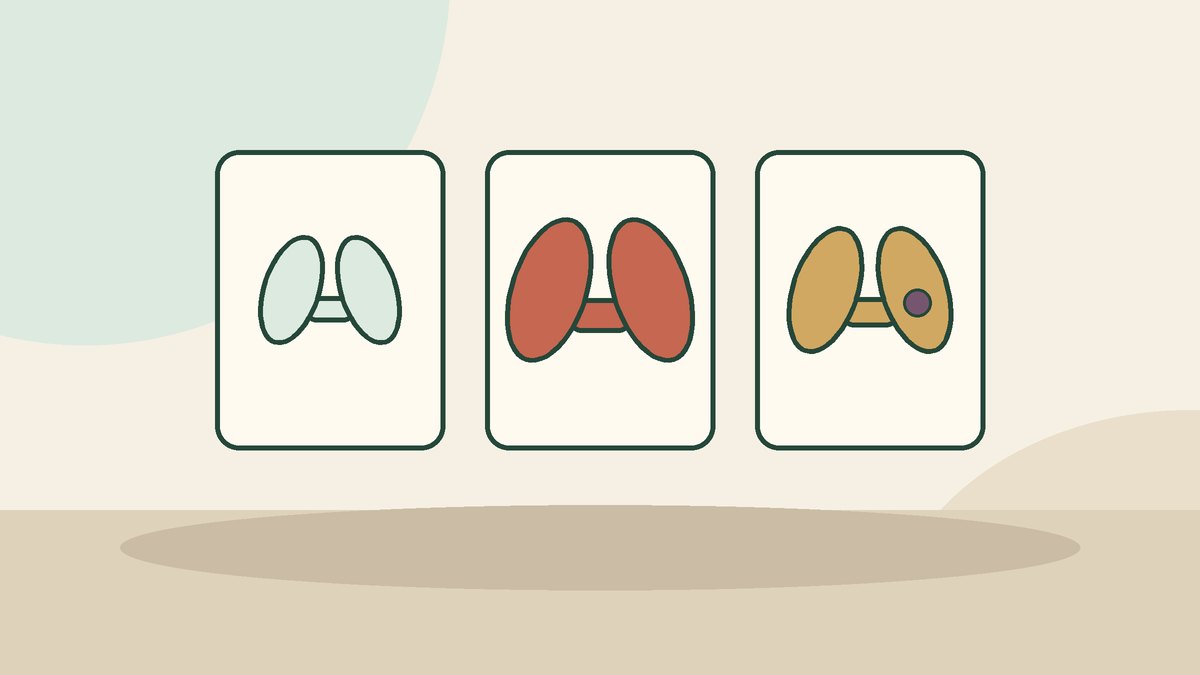
A report says “thyroid”, a relative says “mine is the other kind”, and a search for “thyroid kitne prakar ke hote hain” throws up a dozen names: hypo, hyper, Hashimoto’s, Graves’, goitre, nodules. They are not a dozen separate diseases. Most describe a hormone level, the cause behind it, or the gland’s shape.
For how thyroid problems are tested and treated, see our thyroid guide on symptoms, tests and treatment. If the gland itself is new to you, start with what the thyroid is and what it does.
The two main types of thyroid problem: underactive and overactive
The two main types are hypothyroidism, an underactive thyroid that makes too little hormone, and hyperthyroidism, an overactive thyroid that makes too much. The first slows the body down; the second speeds it up. They need opposite treatments, so “I have thyroid” is not enough: ask which one you have.
Each has a milder, blood-test-only form. National Institute for Health and Care Excellence (NICE) calls a TSH above the range with normal free thyroxine (T4) subclinical hypothyroidism, and a TSH below the range with normal free T4 and free triiodothyronine (T3) subclinical hyperthyroidism.
Every other name fits one of three groups:
- Causes: Hashimoto’s thyroiditis, Graves’ disease, other kinds of thyroiditis, and too little iodine.
- Changes in shape: goitre (a swollen thyroid) and nodules (lumps inside it), with high, low or normal hormone levels.
- Thyroid cancer: uncommon, usually found as a nodule.
So one person can carry several labels at once: Hashimoto’s (the cause), hypothyroidism (the hormone level) and a goitre (the shape).
Thyroid types compared: what happens, signs, tests and treatment
The table shows the usual picture in adults. Your own pattern may differ, and only a doctor can say which type you have. Our guide to thyroid symptoms, one by one goes deeper on the signs.
| Type | What happens | Typical signs | Usual test pattern | Usual treatment category |
|---|---|---|---|---|
| Hypothyroidism (underactive) | Too little hormone; the body slows down | Tiredness, feeling cold, weight gain, constipation, dry skin, low mood, heavy or irregular periods | TSH high, free T4 low | A daily hormone replacement tablet, usually long term |
| Hyperthyroidism (overactive) | Too much hormone; the body speeds up | Racing heart, tremor, sweating, weight loss despite a good appetite, loose motions, lighter periods | TSH low, free T4 or free T3 high | Heart-calming medicines, antithyroid medicines, radioactive iodine or surgery |
| Subclinical hypothyroidism | TSH mildly raised; hormone output still enough | Often none | TSH above range, free T4 normal | A repeat test first; then watching, or treatment in some people |
| Hashimoto’s thyroiditis | The immune system slowly damages the thyroid | Often none at first; later, underactive signs; sometimes a goitre | Antibodies often positive; TSH normal or high | TSH checks; a replacement tablet once underactive |
| Graves’ disease | Antibodies make the whole gland overwork | Overactive signs; gritty, red or bulging eyes; a smooth swelling | TSH low, hormones high; TSH receptor antibodies often positive | As for hyperthyroidism, plus eye care if needed |
| Thyroiditis (subacute, silent, postpartum) | Inflammation leaks stored hormone, then the gland may run low | Overactive phase, then underactive phase; neck pain in the subacute type | TSH low, then high, then usually normal over months | Symptom relief; a temporary tablet if needed; no antithyroid medicines |
| Goitre | The gland is enlarged | A swelling at the front of the neck; rarely, trouble swallowing or breathing | Any pattern, including normal; ultrasound shows the size | Treating the cause or watching; surgery if it presses on the windpipe |
| Thyroid nodule | A lump inside the gland | Usually none; sometimes a visible lump | Usually normal; ultrasound, sometimes a needle biopsy | Watching with ultrasound; treatment if overactive or suspicious |
| Thyroid cancer | Abnormal cells, usually in a nodule | Usually only a painless lump | Usually normal; ultrasound and needle biopsy | Surgery, sometimes radioactive iodine, with long-term follow-up |
For the numbers behind “high” and “low”, and why one abnormal result is usually repeated, see how to read your TSH, T3 and T4 report.
Two safety points go with the treatment column. Antithyroid medicines can rarely lower white blood cells, so the American Thyroid Association (ATA) says to seek care immediately for a blood count if you get a fever or severe sore throat while taking one. Radioactive iodine is not used in pregnancy or breastfeeding. Every treatment here needs a doctor’s prescription and follow-up.
Hashimoto’s and Graves’: the autoimmune types
Most thyroid disease in adults is autoimmune: the immune system targets the thyroid by mistake. The two main forms push in opposite directions.
Hashimoto’s thyroiditis
Antibodies inflame and slowly damage the gland. The ATA says it often progresses over many years, with no symptoms early on even when antibodies show up in a blood test. National Health Service (NHS) calls it the main cause of an underactive thyroid in the UK, most common in women and usually starting between 30 and 50.
Hashimoto’s is not the same as hypothyroidism. It is a cause; hypothyroidism is the result. With positive antibodies and a normal TSH, the ATA says you need periodic TSH checks, not thyroid hormone. Hypothyroidism also has other causes, such as thyroid surgery, radioactive iodine and some medicines.
Graves’ disease
Here antibodies switch the thyroid on instead of damaging it. NHS says about 4 in 5 people with an overactive thyroid have Graves’ disease; it mostly affects young or middle-aged women, often runs in families, and smoking raises the risk. The ATA says about a third of people with Graves’ develop some eye signs.
Autoimmune thyroid disease in India
In a 2011 study of 5,360 adults in eight Indian cities, 21.85% had thyroid peroxidase antibodies (anti-TPO), a marker of autoimmune thyroid disease, and 10.95% had hypothyroidism, women about three times as often as men (15.86% versus 5.02%). The authors concluded that iodine is no longer the only suspect in urban India. The study covered only urban adults and was funded by a thyroid-medicine maker, so treat it as a strong signal, not a national census.
Subclinical hypothyroidism: common, mild and not always permanent
Subclinical hypothyroidism means TSH is mildly raised but free T4 is still normal, often without symptoms. It is common: the eight-city study found it in 8.02% of adults, and the Indian Thyroid Society’s 2022 consensus cites Indian studies reporting 6% to 15%.
It does not always progress. The consensus quotes progression to a fully underactive thyroid of about 2.6% a year without anti-TPO antibodies and 4.3% a year with them, and notes that in some people TSH returns to normal. A recent illness or some medicines can also raise TSH for a while, so guidelines repeat the test before deciding.
The Indian Thyroid Society says adults under 65 with a TSH of 10 or more should be treated, and healthy people without symptoms at 4.5–9.9 do not need treatment; NICE says “consider” treatment at 10 or more on two tests 3 months apart. Pregnancy, or planning one, changes the picture. Food, exercise and supplements cannot bring a raised TSH back into range on their own.
Thyroiditis: subacute, silent and postpartum
Thyroiditis means inflammation of the thyroid. In the common short-lived forms, damaged cells leak stored hormone, so you first feel overactive; the gland then runs low before usually recovering. The ATA says antithyroid medicines are not used in that first phase, because the gland is not truly overactive.
- Subacute thyroiditis (de Quervain’s): possibly viral, with a painful thyroid. About 95% of people return to normal within 12–18 months, the ATA says.
- Silent (painless) thyroiditis: the same course without pain, in men and in women not recently pregnant. About 80% recover within 12–18 months; the ATA gives a 20% chance of a permanently underactive thyroid.
- Postpartum thyroiditis: the same pattern after delivery. The overactive phase starts 1–4 months after delivery and lasts 1–3 months; the underactive phase typically comes at 4–8 months and can last up to 9–12 months. Not every woman goes through both.
Postpartum thyroiditis is easy to miss because poor sleep, anxiety, tiredness and low mood look like new-mother exhaustion. The ATA gives about 5–10% of women in the US; the Indian Thyroid Society’s pregnancy guideline cites 1.1% to 16.7%. That guideline adds that it sharply raises the risk of a permanent underactive thyroid over the next 5–10 years, and that women with postpartum depression should be checked for one. If you are breastfeeding, tell your doctor, because some thyroid scans are avoided then.
Goitre, nodules and a calm word on thyroid cancer
Goitre
A goitre is a swollen thyroid. NHS lists causes including an overactive or underactive thyroid, harmless nodules, thyroiditis, Graves’ disease, hormone changes in puberty, pregnancy or menopause, and too little iodine; thyroid cancer is a rare cause. Most goitres are small, and some need no treatment.
India has a long history of iodine-deficiency goitre. The National Goitre Control Programme began in 1962, became the National Iodine Deficiency Disorders Control Programme in 1992, and selling non-iodised common salt for direct eating is now prohibited. The health ministry reports a significant fall in goitre rates, and 94.3% of households using adequately iodised salt in 2020–21. Our guide to an enlarged thyroid or goitre covers neck swellings in detail.
Thyroid nodules
A nodule is a lump inside the thyroid. The ATA says about half of people have one by age 60, and over 90% are benign. Most cause no symptoms and are found on a neck examination or a scan done for something else.
A normal thyroid blood test does not rule out a nodule problem. Most nodules, including cancerous ones, do not change TSH, the ATA notes. A lump is checked with a neck examination, an ultrasound and, if needed, a fine needle biopsy, not with a “thyroid profile”.
Thyroid cancer, briefly
Thyroid cancer usually shows up as a painless nodule. The ATA says fewer than 1 in 10 nodules are cancer, papillary cancer makes up about 70–80% of thyroid cancers, and most thyroid cancers are curable and rarely life-threatening. A few rarer types are more aggressive, so a growing lump, a hoarse voice or trouble swallowing should be checked promptly, not waited out.
Can one thyroid type turn into another?
Yes, in several well-known ways, which is why a report can change over time.
- Thyroiditis swings both ways: overactive first, then underactive, then usually back to normal.
- Treating an overactive thyroid often leads to an underactive one. After radioactive iodine or surgery for Graves’ disease, the ATA says, you will eventually develop hypothyroidism and need a daily hormone tablet; this can happen with antithyroid medicines alone too.
- Subclinical can become overt, more often when antibodies are positive.
- Hashimoto’s can briefly look overactive, in rare cases, the ATA notes.
- The dose can tip the balance. On a replacement tablet, too high a dose causes overactive symptoms and too low a dose leaves underactive ones. Only your doctor should change it.
A past label is not necessarily a permanent one. If your symptoms change, a fresh TSH test shows your doctor where you are now.
When to see a doctor
Our hub has the full list of thyroid warning signs.
Emergency: get help now (call 112)
- Difficulty breathing, or a wheezing noise when you breathe, with a neck swelling.
- Palpitations with chest pain, breathlessness or fainting.
- A very fast heartbeat with high fever, severe agitation or confusion.
- Severe drowsiness or confusion in someone with a severe or untreated underactive thyroid.
- Fever or a severe sore throat while taking medicine for an overactive thyroid.
Prompt review: within days to a few weeks
- A neck lump that is new or growing, or that comes with a hoarse voice or trouble swallowing.
- Bulging, red or painful eyes, or double vision.
- Pregnancy, or planning one, if you already have a thyroid condition.
- Palpitations, anxiety, exhaustion or low mood in the year after delivery that do not settle.
Routine review
- Lasting tiredness, unexplained weight change, feeling unusually cold or hot, or changed periods.
- A raised TSH with normal free T4, to plan a repeat test.
- A past thyroiditis or overactive thyroid, if symptoms of an underactive thyroid appear later.
How Disha can help
Disha is an AI health coach that chats and calls in Hindi, English and Hinglish. It does not diagnose your thyroid type, interpret reports, prescribe or change medicine, or provide emergency care, and it does not replace your doctor. After an onboarding call of about 15–20 minutes with Disha, the AI, it helps with the habits around your care: meals, movement, sleep and a steady routine for tablets and test days. Read how Disha coaching works.
This is not medical advice. This page is general education for adults (18+), not a diagnosis or treatment plan. Symptoms alone cannot tell you which thyroid problem you have. Do not start, stop or change a thyroid medicine, or any other medicine or supplement, because of it. If you are pregnant, planning a pregnancy or breastfeeding, get individual advice. In an emergency, call 112.
Frequently asked questions
Which type of thyroid problem is dangerous?
Most thyroid problems are common and treatable. The dangerous situations are rare: a severe overactive thyroid causing a very fast heartbeat with fever or confusion, a severe untreated underactive thyroid causing drowsiness or confusion, a goitre that blocks breathing, and an untreated thyroid problem in pregnancy. Thyroid cancer is uncommon, and most types are curable. Any new or growing neck lump needs a prompt check.
What is the difference between hypothyroidism and hyperthyroidism?
Hypothyroidism means too little thyroid hormone: tiredness, feeling cold, weight gain and constipation are common, and TSH is usually high. Hyperthyroidism means too much: a racing heart, tremor, sweating and weight loss are common, and TSH is usually low. They need opposite treatments, so a blood test, read by a doctor, decides which one you have.
Is Hashimoto’s the same as hypothyroidism?
No. Hashimoto’s thyroiditis is an autoimmune cause; hypothyroidism is the result when the thyroid can no longer make enough hormone. Many people with Hashimoto’s antibodies still have a normal TSH and need only periodic checks, not tablets. Hashimoto’s is the most common cause of an underactive thyroid in the UK and US, but hypothyroidism has other causes too.
What is subclinical hypothyroidism, and does it need tablets?
It means TSH is mildly raised while free T4 is normal, often without symptoms. It does not always need tablets. The test is repeated first, because TSH can settle. The Indian Thyroid Society says healthy adults without symptoms and with a TSH of 4.5–9.9 do not need treatment, while adults under 65 with a TSH of 10 or more should be treated. Pregnancy changes this.
Can a thyroid problem change from hyper to hypo?
Yes. Thyroiditis, including after pregnancy, often moves from an overactive phase to an underactive one and then usually recovers. Radioactive iodine or surgery for Graves’ disease usually leads to a lifelong underactive thyroid, treated with a daily tablet. On a replacement tablet, a dose that is too high can cause overactive symptoms. Your doctor uses repeat TSH tests to track these changes.
Does a goitre mean my thyroid is underactive or overactive?
Not necessarily. A goitre is a swollen thyroid, and it can occur with low, high or normal hormone levels. Causes include Hashimoto’s, Graves’ disease, nodules, thyroiditis and too little iodine. A doctor usually checks TSH and may order an ultrasound. Get help urgently if a swelling makes breathing difficult, and see a doctor soon if it grows or changes your voice.
Which thyroid problem is most common in India?
Underactive thyroid is the best studied. In a study of 5,360 adults in eight Indian cities, 10.95% had hypothyroidism, 8.02% had subclinical hypothyroidism and 21.85% had anti-TPO antibodies, a marker of autoimmune thyroid disease. Women were affected about three times as often as men. We found no comparable national figure for an overactive thyroid.
Sources
- Unnikrishnan AG, Kalra S, Sahay RK, Bantwal G, John M, Tewari N. Prevalence of hypothyroidism in adults: An epidemiological study in eight cities of India. Indian Journal of Endocrinology and Metabolism, 2013. Observational study. Supports: 5,360 urban adults; hypothyroidism in 10.95%, 15.86% of women versus 5.02% of men; subclinical hypothyroidism in 8.02%; anti-TPO antibodies in 21.85%; autoimmunity playing a role in a significant proportion and iodine no longer the sole suspect; urban-only limitation and industry funding.
- Rajput R, Bajaj S, Kalra P, Menon AS, Pillai MG, Ghosh S, et al. Subclinical hypothyroidism in adults: Consensus statement of Indian thyroid society. Thyroid Research and Practice, 2022. Supports: Indian prevalence of 6% to 15%; progression of 2.6% a year without and 4.3% with anti-TPO antibodies, and normalisation in some; chronic autoimmune thyroiditis as the most common cause; treatment of adults under 65 at TSH 10 or more and none for healthy people without symptoms at 4.5–9.9.
- Indian Thyroid Society. Guidelines for Management of Thyroid Dysfunction During Pregnancy. Undated. Supports: postpartum thyroiditis prevalence of 1.1% to 16.7%; greatly increased risk of permanent hypothyroidism in the following 5–10 years; screening women with postpartum depression for hypothyroidism.
- National Institute for Health and Care Excellence (NICE). Thyroid disease: assessment and management (NG145). 2019, updated 2023. Supports: definitions of subclinical hypothyroidism and subclinical hyperthyroidism; considering treatment at TSH 10 or more on two tests 3 months apart; goitre and nodules being common and usually not cancerous.
- American Thyroid Association. Patient brochures: Hypothyroidism, Hyperthyroidism, Hashimoto’s Thyroiditis, Graves’ Disease, Thyroiditis, Postpartum Thyroiditis, Thyroid Nodules and Thyroid Cancer. Current. Supports: symptoms and test patterns of each type; treatment categories; fever or sore throat on antithyroid medicines; radioactive iodine not used in pregnancy or breastfeeding; Hashimoto’s slow course, antibodies with normal TSH needing no hormone, and rare temporary thyrotoxicosis; eye signs in a third of people with Graves’; hypothyroidism after treatment for Graves’; the phases, timing and recovery rates of subacute, silent and postpartum thyroiditis; antithyroid medicines not used in thyroiditis; postpartum thyroiditis in about 5–10% of US women; nodules in about half of people by 60, over 90% benign, usually normal TSH; fewer than 1 in 10 nodules cancerous; papillary cancer 70–80%; most thyroid cancers curable.
- NHS. Underactive thyroid (hypothyroidism), Overactive thyroid: causes, Goitre and Thyroid cancer. Current patient guidance. Supports: Hashimoto’s as the main UK cause of an underactive thyroid, most common in women and usually starting at 30 to 50; myxoedema coma and pregnancy complications with an untreated underactive thyroid; Graves’ disease in about 4 in 5 people with an overactive thyroid, its sex, family and smoking pattern; causes of goitre, most goitres small and some needing no treatment; emergency breathing signs with a goitre; thyroid cancer as rare.
- Directorate General of Health Services, Ministry of Health and Family Welfare. National Iodine Deficiency Disorders Control Programme (NIDDCP), updated 2025, and Press Information Bureau, World Iodine Deficiency Day, 2024. Supports: the National Goitre Control Programme from 1962 and its renaming in 1992; the ban on selling non-iodised common salt for direct human consumption; a significant fall in the total goitre rate; 94.3% of households using adequately iodised salt in 2020–21.
Related reads
- Thyroid disorders in India: symptoms, tests and treatment: the overview this page sits under, with causes, testing, treatment, Indian and international guidance and the full warning-sign list.
- What is the thyroid?: what the gland does and how its hormones work, before you compare the problems it can have.
- Thyroid symptoms: each sign of an underactive or overactive thyroid, and what else can cause it.
- Swollen thyroid and goitre: neck swellings and nodules, their tests and when to worry.
- TSH normal range and how to read your thyroid report: the numbers behind each test pattern in the table above.
- All thyroid articles: every Disha thyroid guide in one place.
- BMI calculator with Indian cut-offs: weight change often prompts a thyroid test; BMI is a screening number, not a thyroid test.