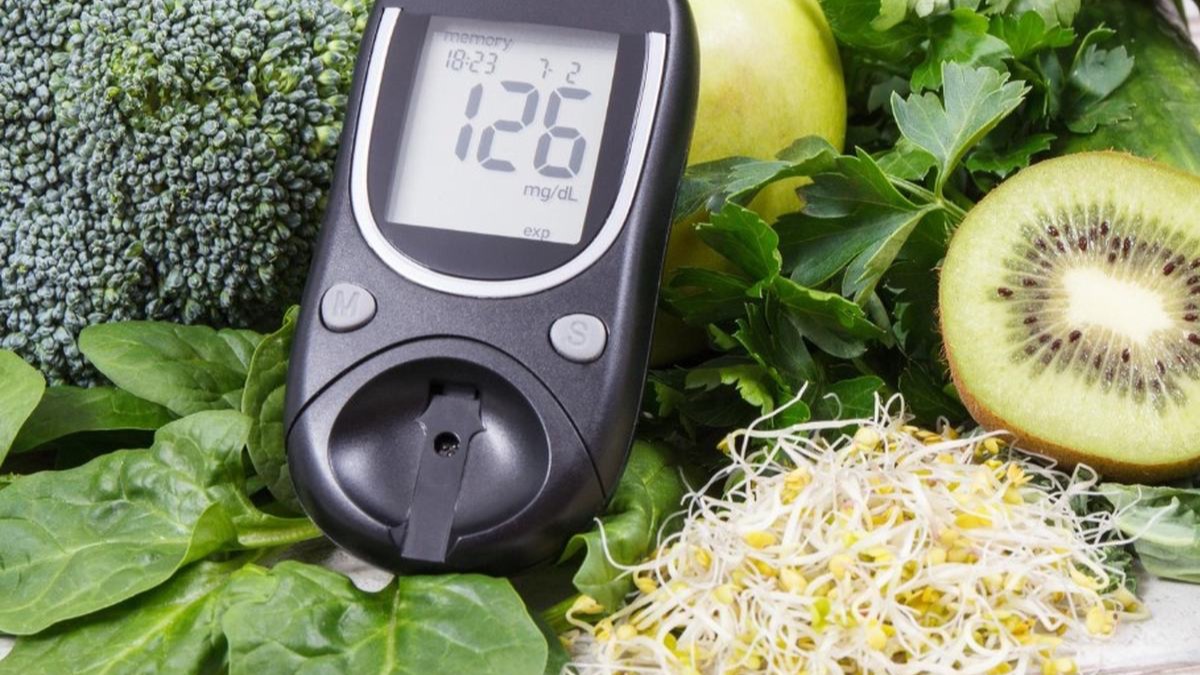
If you have just been told you have sugar, you do not need a separate diabetic menu. You need your usual Indian food in better proportions, with less added sugar and fewer refined snacks.
For what diabetes is and how it is diagnosed and treated, read our diabetes guide covering symptoms, tests and treatment.
The plans show proportions, not a prescription, and carry no calorie target. If you take insulin or sugar-lowering tablets, agree any change in food or meal timing with your doctor first, because eating less or skipping a meal can push sugar too low.
The Indian diabetes plate: how to fill it
Fill half your lunch and dinner plate with non-starchy vegetables, a quarter with protein and a quarter with roti, rice or millet. That is the diabetes plate method used by the American Diabetes Association (ADA), and it matches the direction of India's own My Plate for the Day from Indian Council of Medical Research–National Institute of Nutrition (ICMR-NIN).
ICMR-NIN's 2024 guidelines put vegetables, fruits, greens, roots and tubers at "essentially half the plate" across the day. They say cereals should give no more than 45% of daily energy, and note that in Indian diets they currently give 50% to 70%. Most of us need less rice or roti and more dal, sabzi and dahi.
ICMR-NIN's plate is a guide for healthy people, not a diabetes prescription, so we adapt it: potato, arbi, shakarkandi, corn and peas go in the grain quarter, not the vegetable half.
| Part of the plate | What goes there | A starting household measure (example only) |
|---|---|---|
| Half: non-starchy vegetables | Lauki, tori, tinda, bhindi, beans, cabbage, gobhi, palak, methi, baingan, karela, salad | 1–2 katoris of sabzi plus a side plate of cucumber, tomato, onion or carrot |
| Quarter: protein | Thick dal, rajma, chole, sprouts, paneer, tofu, dahi, egg, fish, chicken | 1 katori of thick dal or chole, or a palm-sized piece of paneer, fish or chicken |
| Quarter: grains and starch | Whole-wheat phulka, bajra, jowar or ragi roti, rice, idli, dosa, poha, dalia; potato and other starchy vegetables | For many adults, 2 medium phulkas or about 1 katori of cooked rice; your team may set more or less |
| On the side | Plain dahi or chaas; a whole fruit in the day; a little oil, ghee or nuts | 1 katori dahi; 1 medium fruit or 1 katori cut fruit; cooking oil used sparingly |
A katori here means a small steel bowl, not a serving dish. The protein quarter is where most Indian plates fall short.
Example diabetes diet chart: three Indian day plans
Swap in your own regional dishes and keep the proportions.
Meal timing is where guidance differs. Indian Council of Medical Research (ICMR)'s 2018 diabetes guideline encourages six small meals a day; ICMR-NIN's 2024 guidelines for the general population suggest two to three meals without snacking. If you take insulin or sugar-lowering tablets, your doctor's timing comes first, and the National Health Service (NHS) advises not to skip or delay meals. That is why the snacks below are optional.
North Indian vegetarian day
| Meal | Example | Plate check |
|---|---|---|
| Early morning | Milk with no added sugar; a few soaked almonds or walnuts | No biscuits or rusk |
| Breakfast | 2 besan chillas with grated vegetables, mint chutney and 1 katori dahi | Pulse-based, with protein and vegetables |
| Mid-morning (optional) | 1 guava or 1 small apple | Whole fruit, not juice |
| Lunch | Bhindi or mixed sabzi, big salad, 1 katori thick rajma or dal, 2 medium phulkas, 1 glass plain chaas | Half vegetables, quarter pulses, quarter roti |
| Evening (optional) | Chai without sugar with a small fistful of roasted chana | Protein and fibre instead of namkeen |
| Dinner | Palak paneer or lauki-chana dal, extra sabzi, 1–2 phulkas or 1 bajra roti | Same plate shape as lunch |
South Indian vegetarian day
| Meal | Example | Plate check |
|---|---|---|
| Early morning | Plain water | — |
| Breakfast | 2 idlis or 1 ragi dosa with a large katori of vegetable sambar and a spoon of coconut or pudina chutney | Sambar adds dal and vegetables; do not skip it |
| Mid-morning (optional) | 1 glass neer mor (thin buttermilk) or 1 orange | No sugar, no packaged juice |
| Lunch | Beans or cabbage poriyal, keerai (greens), 1 katori rice, thick sambar or kootu, 1 katori curd | Rice kept to one katori; vegetables fill half the plate |
| Evening (optional) | 1 katori chana or moong sundal | Pulse snack instead of murukku or bajji |
| Dinner | 2 pesarattu (moong dal dosa) or 1–2 wheat dosas with vegetable chutney and a vegetable side | Pulse-based dosa raises the protein share |
Non-vegetarian day
| Meal | Example | Plate check |
|---|---|---|
| Early morning | Plain water | — |
| Breakfast | 2-egg vegetable bhurji or omelette with onion, tomato and capsicum, 1 whole-wheat roti | Eggs give protein; vegetables add volume |
| Mid-morning (optional) | 1 katori papaya | Whole fruit |
| Lunch | Fish curry (1–2 pieces), lauki or mixed vegetable, salad, 1 katori rice | ICMR-NIN notes pulses can be less on days you eat fish or meat |
| Evening (optional) | Sprouts or chana chaat with lemon and onion | Instead of samosa or pakora |
| Dinner | Home-style chicken curry (1 katori, skin removed), large palak or mixed vegetable, 1–2 phulkas | Chicken or fish over mutton most days |
ADA advises minimising red meat and Research Society for the Study of Diabetes in India (RSSDI)'s 2022 recommendations say to avoid it, so fish, eggs and chicken are the better default. Choose curry, tandoori or grilled over deep-fried.
Food swaps for common Indian foods
You rarely need to give a food up completely. Most of the benefit comes from a few repeated daily swaps.
| Instead of | Try | Why |
|---|---|---|
| A heaped plate of white rice | 1 katori rice with extra sabzi and thick dal, or half rice and half millet | The rest of the plate slows the meal down |
| Maida foods: naan, white bread, rusk, bakery biscuits | Whole-wheat phulka, missi roti (atta with besan), bajra or jowar roti | Whole grains and pulses add fibre; ICMR lists cereal-pulse foods such as missi roti as good combinations |
| Mithai after meals | Sweets kept for occasions, a small piece eaten as part of a meal | Sweets are mostly added sugar and refined flour or fat |
| Fruit juice, even fresh | Whole guava, orange, apple, papaya or pear | Whole fruit keeps its fibre |
| Namkeen, bhujia, chips | Roasted chana, a small fistful of peanuts, home-roasted makhana | ICMR advises restricting packaged namkeens for their salt; these add protein or fibre |
| Chai with 2 spoons of sugar, three times a day | Chai with half the sugar this week, less next week, then none | ADA advises minimising added sugar; cutting in steps is easier to keep up |
| Samosa, kachori, pakora | Dhokla, sprouts chaat, chana chaat | RSSDI says street foods like kachori and samosa should be avoided |
| Cornflakes or sweetened health-drink powders | Vegetable poha or upma with peanuts, besan chilla, or dalia cooked in milk without sugar | Less processing and added sugar; more protein from peanuts, besan or milk |
| Sweet lassi, cold drinks | Plain chaas, nimbu pani without sugar, water | ADA recommends water over other drinks |
Rice, roti and millets: honest answers
Can you eat rice?
Yes, in a measured portion. RSSDI's 2022 recommendations say the quantity of rice "should be limited as it has high glycaemic index (GI)", prefer brown rice over white, and name millets as another alternative. That is a limit, not a ban, and it is expert guideline advice rather than the result of long trials on rice portions. One katori of rice with thick dal, sabzi and curd is a very different meal from two katoris with thin rasam.
How many rotis?
No Indian or international guideline gives a fixed number. ICMR's 2018 guideline says evidence on the ideal amount of carbohydrate is inconclusive, so goals are set person by person. In the plate model, rotis fill one quarter: for many adults, 2 medium phulkas at a meal, adjusted for size, activity, medicines and readings. If your doctor has asked you to test at home, readings around your usual meals show how your portion suits you.
Are millets better than wheat?
Millets are a good way to vary your grains, but they are not a free food. A 2021 systematic review found millet foods had a lower glycaemic index than milled rice and refined wheat, and that eating millets over a long period lowered fasting and after-meal glucose in people with diabetes. But the authors call small study size a major limitation; some studies had as few as three people. Comparisons with whole-wheat atta are less clear. A jowar, bajra or ragi roti still belongs in the grain quarter, and millet biscuits or flakes are processed snacks first.
Fruit, jaggery, honey and "sugar-free" sweets
Which fruits are safe?
Whole fruit is part of a diabetes diet; juice is not. ICMR's 2018 guideline names papaya, guava, apples, pears, oranges and mosambi as fruits that "can be taken in moderation" and says all fruit juices are best avoided. ADA also emphasises whole fruit. Have one fruit at a time rather than a large plate. No Indian guideline bans mango, banana or chikoo; they are easier to overeat, so keep the portion small and eat them in place of another carbohydrate, not on top.
Is jaggery or honey better than sugar?
No. ICMR-NIN's 2024 guidelines define added sugars as including "sucrose (table sugar), jaggery, honey, glucose, fructose". World Health Organization (WHO) counts sugars in honey, syrups and fruit juices as free sugars. ICMR's diabetes guideline lists honey among sweeteners that are "best avoided". For your blood sugar, gud and shahad count as sugar.
What about "sugar-free" sweeteners and diabetic mithai?
Here the guidelines genuinely disagree. ADA says non-nutritive sweeteners can replace sugar-sweetened products "if consumed in moderation and for the short term". ICMR's 2018 guideline says approved sweeteners should be used in moderation. RSSDI's 2022 recommendations say artificial sweeteners should be avoided. For Indian readers, a reasonable middle path is to use them, if at all, as a short bridge while you reduce sweetness overall. ICMR-NIN advises pregnant and breastfeeding women to avoid them. "Sugar-free" mithai is usually still made with maida, khoya, ghee or dry fruit, so it can still raise sugar; read the label.
Festivals, vrat and Ramzan fasting
If you take sugar-lowering medicine, plan any fast with your doctor weeks before it starts. ADA advises assessing and adjusting treatment "well in advance of religious fasting" and notes that fasting raises the risk of low sugar, dehydration and very high sugar, more so with insulin and sulfonylurea-type tablets. RSSDI notes there is little data on how Hindu fasts affect sugar.
- Navratri, Ekadashi and weekly vrat: sabudana, aloo, singhara and kuttu are starches, so they belong in the grain quarter. Pair them with dahi, paneer, peanuts, makhana and vegetables such as lauki, pumpkin or cucumber. Sabudana khichdi with aloo and a sweet is several grain quarters on one plate.
- Nirjala fasts such as Karva Chauth: going without water adds the risk of dehydration. Discuss with your doctor whether a water-allowed version is safer for you.
- Ramzan: ADA notes that the last few hours of a fast are when many low-sugar episodes happen, and that iftar is often heavy in sugar and fried food. Break the fast gently with water and a small portion, then a plate-method meal. At sehri, RSSDI suggests slow-release foods, such as whole grains with dal, eggs or dahi.
- Diwali, Holi, Eid and weddings: choose one sweet you truly want, eat it as part of a meal, and go back to your usual plate the next meal. One festive day does not undo your care.
Agree with your doctor in advance the reading at which you will break a fast. Pregnant women with diabetes are advised not to fast, according to RSSDI.
When to see a doctor
Our diabetes guide has the full list of warning signs.
Emergency: get help now
- Someone with suspected low sugar is drowsy, confused, cannot swallow safely, has a fit or is unconscious.
- High readings with vomiting, abdominal pain, deep or fast breathing, marked drowsiness or confusion.
Prompt review: same day
- Low-sugar symptoms (shaking, sweating, hunger, dizziness, palpitations, blurred vision) or readings below 70 mg/dL, especially if you take insulin or sulfonylurea-type tablets. Treat as your care team has taught you, then call them.
- Repeated very high readings, or you cannot keep food and fluids down.
Routine review
- You are pregnant or planning a pregnancy and have diabetes, or you have gestational diabetes, which needs its own plan from your obstetric and diabetes team: raise it early.
- You want to start a new diet, a fast or a big change in portions while on sugar-lowering medicine.
- You have kidney disease, a history of an eating disorder, or are older with several health conditions, and want a plan made for you. With kidney disease, protein, potassium and salt advice differs, so do not raise protein on your own.
How Disha can help
Disha is an AI health coach that chats and calls in Hindi, English and Hinglish. After an onboarding call of about 15–20 minutes, conducted by Disha itself, it can help you apply the plate to your own regional meals, plan swaps and keep food, movement and sleep habits going day to day. Disha does not diagnose, prescribe, change medicine doses or provide emergency care, and it does not replace your doctor or dietitian. Read how Disha coaching works.
This is not medical advice. This page is general information for adults. If you take insulin or sugar-lowering tablets, are pregnant or breastfeeding, have kidney disease or an eating-disorder history, agree any change with your doctor first. Do not start, stop or change a medicine based on this page. In an emergency, call 112.
Frequently asked questions
Sugar mein kya khana chahiye? What should a sugar patient eat?
Eat your usual home food in better proportions. Fill half the plate with sabzi and salad, a quarter with dal, paneer, dahi, egg, fish or chicken, and a quarter with roti, rice or millet. Choose whole fruit over juice, and cut added sugar, including gud and honey. If you take insulin or sugar-lowering tablets, agree changes with your doctor.
Can people with diabetes eat rice?
Yes, in a measured portion. RSSDI's Indian recommendations advise limiting the quantity of rice because it has a high glycaemic index, and suggest brown rice or millets as alternatives. About one katori of cooked rice with thick dal, sabzi and curd is a common starting point, but your doctor or dietitian may suggest more or less based on your readings.
How many rotis can a diabetic eat?
No guideline sets a fixed number. In the plate method, roti fills a quarter of the plate, which for many adults is about two medium phulkas at a meal. Roti size, your activity, your medicines and your sugar readings all change the right amount, so treat two as a starting example and adjust it with your care team.
Which fruits are safe in diabetes?
Most whole fruits can fit in small portions. ICMR's diabetes guideline names papaya, guava, apple, pear, orange and mosambi as fruits to take in moderation, and advises avoiding all fruit juices. Mango, banana and chikoo are not banned, but they are easy to overeat, so have a small portion in place of another carbohydrate.
Is jaggery or honey better than sugar?
No. ICMR-NIN's 2024 dietary guidelines count jaggery and honey as added sugars, the same as table sugar, and WHO counts honey as a free sugar. They raise blood glucose much like sugar does. Reduce added sweetness overall rather than switching from white sugar to gud or shahad.
What is a good diabetic breakfast or dinner in India?
Build both on the plate. For breakfast, try besan chilla with vegetables and dahi, idli with a big katori of sambar, pesarattu, or an egg bhurji with one roti. For dinner, have a large portion of sabzi, a protein such as dal, paneer, fish or chicken, and one or two phulkas or a katori of rice.
Can I keep a vrat or Ramzan fast with diabetes?
Many people do, but only after planning with their doctor well before the fast, especially on insulin or sulfonylurea-type tablets, which carry a higher risk of low sugar. Agree in advance which reading means you break the fast. Count sabudana, aloo and kuttu as starches. RSSDI advises pregnant women with diabetes not to fast.
Are millets better than wheat for diabetes?
Millets add variety and fibre, and a 2021 systematic review found they had a lower glycaemic index than milled rice and refined wheat, though many of its studies were very small. Evidence against whole-wheat atta is less clear. A millet roti still counts in the grain quarter, and millet biscuits or flakes are not automatically better.
Sources
- ICMR–National Institute of Nutrition. Dietary Guidelines for Indians. 2024. Supports: My Plate for the Day proportions (vegetables, fruits and tubers as about half the plate); cereals no more than 45% of energy against 50–70% in current diets; fewer pulses needed on fish or meat days; two to three meals a day for the general population; jaggery and honey counted as added sugars; sugar substitutes to be avoided in pregnancy and lactation.
- Indian Council of Medical Research. ICMR Guidelines for Management of Type 2 Diabetes. 2018. Supports: individualised diet close to the family pattern; evidence inconclusive on ideal carbohydrate amount; six small meals a day; fruits to take in moderation and fruit juices best avoided; cereal-pulse combinations such as missi roti; restricting packaged namkeens; honey best avoided; non-nutritive sweeteners in moderation and best avoided in pregnancy.
- Research Society for the Study of Diabetes in India. RSSDI Clinical Practice Recommendations for the Management of Type 2 Diabetes Mellitus 2022. 2022. Supports: limiting rice quantity, brown rice and millets as alternatives; avoiding red meat; avoiding street foods like samosa and kachori; avoiding artificial sweeteners; no universal rules or much data for Hindu fasts; pregnant women with diabetes advised not to fast.
- American Diabetes Association Professional Practice Committee. 5. Facilitating Positive Health Behaviors and Well-being to Improve Health Outcomes: Standards of Care in Diabetes—2026. 2026. Supports: the diabetes plate method; no ideal macronutrient percentage; whole fruit, legumes and whole grains; minimising red meat, sweets and added sugar; water over other drinks; non-nutritive sweeteners in moderation and short term; planning religious fasts well in advance and higher low-sugar risk with insulin and sulfonylureas.
- American Diabetes Association Professional Practice Committee. 6. Glycemic Goals, Hypoglycemia, and Hyperglycemic Crises: Standards of Care in Diabetes—2026. 2026. Supports: low blood glucose defined as below 70 mg/dL (3.9 mmol/L).
- World Health Organization. WHO calls on countries to reduce sugars intake among adults and children (guideline on sugars intake). 2015. Supports: definition of free sugars, including sugars in honey, syrups and fruit juices.
- NHS. Low blood sugar (hypoglycaemia). Current page. Supports: symptoms of low sugar; higher risk with insulin and some tablets; not skipping or delaying meals; severe low sugar as an emergency.
- Anitha S, Kane-Potaka J, Tsusaka TW, et al. A Systematic Review and Meta-Analysis of the Potential of Millets for Managing and Reducing the Risk of Developing Diabetes Mellitus. Frontiers in Nutrition, 2021. Supports: lower glycaemic index of millets than milled rice and refined wheat; lower fasting and after-meal glucose with long-term millet intake in people with diabetes; small study sizes as a major limitation.
Related reads
- Diabetes: symptoms, tests, treatment and Indian food: the overview of diagnosis, treatment and red flags that this page only summarises; its food section is the short version of this chart.
- Glycaemic index of common Indian foods: what GI numbers for rice, roti, poha and idli can and cannot tell you.
- Indian breakfasts for diabetes and cholesterol: where oats fit: breakfast options in more depth.
- All diabetes articles: every Disha guide on diabetes in one place.
- Glycaemic index lookup for Indian foods: an educational estimate, not a personal glucose prediction.
- Calorie counter for Indian household servings: useful for comparing portions, with values treated as estimates.