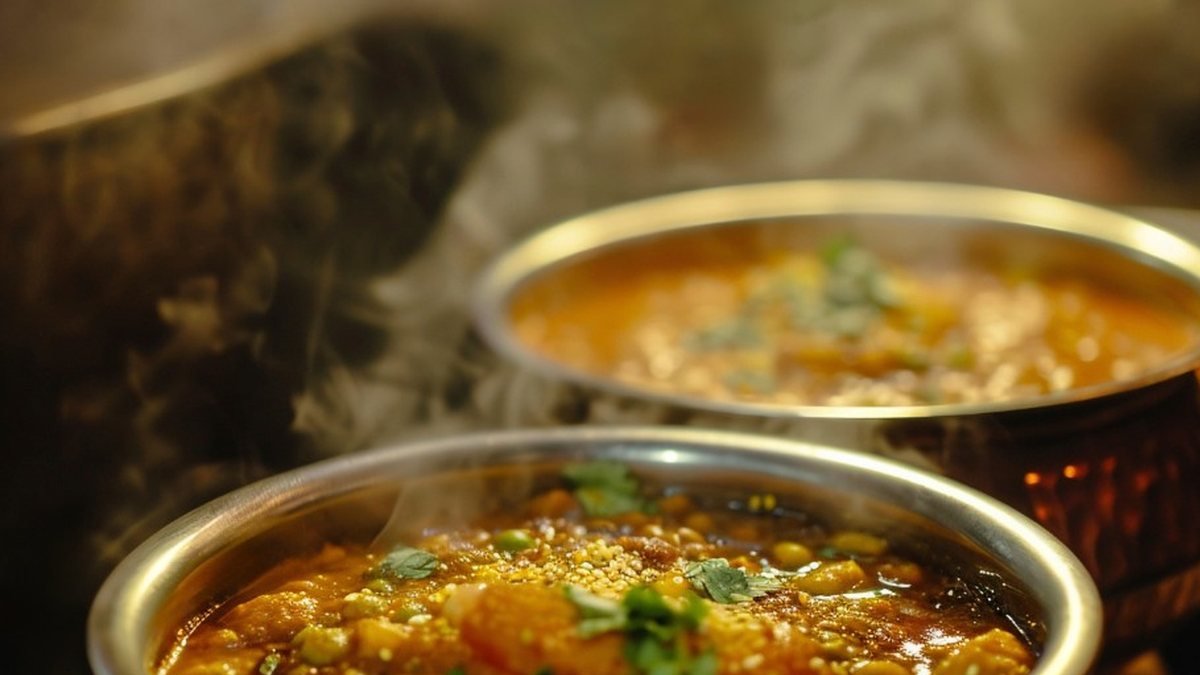
“Is it good for weight loss?” is the question people ask about rice, banana, paneer, honey and almost every food in an Indian kitchen. The honest answer is that no single food makes you lose weight, and very few foods need to be banned. What decides the effect is the portion, how the food is cooked and what it replaces on your plate. Below, 11 common foods get a direct verdict and a practical amount in katori, chammach and pieces.
For body mass index (BMI), waist size, tests and treatment, see our weight management guide for Indians. If you take insulin or sugar-lowering tablets, agree changes to rice, roti or sweets with your doctor first, because eating much less carbohydrate can push blood sugar too low.
Is it good for weight loss? The short answer
Weight changes when the energy you eat over weeks is lower than the energy you use. A food “helps” only when it makes that easier: it fills you up, it brings protein or fibre, or it takes the place of something richer. The same katori of dalia can help one person and do nothing for another who eats it after a full breakfast.
Indian Council of Medical Research–National Institute of Nutrition (ICMR-NIN) guidelines describe a whole plate, not slimming foods: vegetables, greens and fruit make up about half the day’s food, cereals stay within 45% of energy, at least half of those cereals are whole grains, and oil, sugar and salt stay low. Read every verdict below in that light.
Staples: rice, roti and dalia
Grains are not the enemy. The National Health Service (NHS) in the UK points out that, gram for gram, starchy foods carry fewer than half the calories of fat; the ghee, butter and fried extras added to them raise the total. For most Indian families the practical change is a measured serving of grain with more dal and sabzi beside it, not a grain ban. Roti follows the same rule: 1–2 medium phulkas made without ghee on top, alongside a generous katori of sabzi.
Is rice good for weight loss?
Rice can fit. Weight is not gained because rice is white; it is gained when the plate is mostly rice and refills are routine. Start with about 1 medium katori (200 ml) of cooked rice, then fill the rest of the plate with dal, sabzi and salad. That katori, cooked from about 50 g raw rice, gives about 4 g of protein, based on Indian Food Composition Tables 2017 (IFCT), which list 7.9 g per 100 g of raw milled rice. Brown or hand-pounded rice adds fibre, but a second heaped serving of brown rice is still a second serving. Fried rice, biryani with extra ghee and rice eaten with only a thin rasam are different meals from plain rice with thick dal. If you have diabetes, see our guide to the best rice for diabetes.
Is dalia good for weight loss?
Yes, when it is savoury and measured. Dalia is broken whole wheat, so it counts towards the whole grains ICMR-NIN wants on half your cereal plate. Cook about 1 medium katori with at least as much vegetable volume as grain, and add moong dal or serve it with dahi for protein. Sweet dalia made with milk, sugar or gud and topped with dry fruit is closer to kheer. For poha and idli verdicts, see our Indian breakfast for weight loss; for oats, ragi, jowar and bajra, see oats and millets for weight loss.
Dairy: curd, paneer and milk
Dairy is often sold as a fat-loss food. A 2012 meta-analysis of 29 randomised trials with 2,101 adults found that adding dairy did not reduce weight overall. Within calorie-restricted diets, the dairy groups lost slightly more, about 0.79 kg on average; without a calorie limit, there was no benefit. So dairy is useful protein inside a planned diet, not a slimming agent on top of one. ICMR-NIN’s 2,000 kcal plate includes about 300 ml of milk or curd a day.
Is curd good for weight loss?
Plain curd is a good choice. It adds protein to a vegetarian plate, it is easy to measure and it can replace richer sides such as pickle, papad or a second roti with ghee. A practical serving is 1 small katori (about 150 g) at a meal, or as raita with cucumber. Sweetened yogurt, fruit yogurt and sugar lassi bring added sugar and are better treated as a dessert. Plain chaas is a light drink between meals.
Is paneer good for weight loss?
Paneer is protein-rich and also fat-rich. IFCT 2017 lists 18.9 g of protein and 24.8 g of fat per 100 g, so a 50 g serving, roughly a palm-sized slice, gives about 9.5 g of protein and about 12 g of fat. That makes it a good protein anchor in a measured amount, especially as bhurji or tikka cooked in a little oil. A large bowl of paneer in butter gravy, or paneer added on top of a full meal, is a different matter. Paneer made from toned milk, or tofu, carries less fat.
Is milk good for weight loss?
Milk fits as a measured drink with protein: IFCT lists 3.3 g of protein per 100 g for cow milk and 3.7 g for buffalo milk, so 1 glass (200 ml) gives about 6.5–7.5 g. The sugar naturally present in plain milk is not counted as free sugar by the World Health Organization (WHO). The weight effect usually comes from what is added: 2 teaspoons of sugar per cup of chai, malt powders, badam milk mixes and milkshakes. Toned or double-toned milk cuts fat if full-cream milk is a large part of your day.
Fruit and vegetables: banana, sweet potato and corn
These three get blamed because they taste sweet or starchy. All three are whole foods with fibre and water, and WHO does not count sugars in whole fresh fruit and vegetables as free sugars. Their place depends on how much you eat and on whether they replace another carbohydrate or come on top of one.
Is banana good for weight loss?
Yes, a banana can fit every day. One medium banana is a convenient snack that can replace biscuits, a sweet or a packet snack, and it pairs well with a small katori of dahi or a few peanuts. It is less helpful when it is added to a full plate of poha or blended into a sweetened shake. Riper bananas taste sweeter, so a slightly less ripe one may suit someone who also has diabetes; see our guide to fruits for diabetes.
Is sweet potato good for weight loss?
Shakarkandi is a starchy root, so treat it as the grain part of the meal rather than as a vegetable side. One small sweet potato, boiled or roasted and eaten with the skin for more fibre, can replace a roti or a katori of rice, with dahi or chana on the side for protein. Fried chips, sweet potato halwa or a large plate of chaat with sweet chutney on a fasting day change the picture. If you have kidney disease, ask your clinician first, because root vegetables can be high in potassium.
Is corn good for weight loss?
Plain corn is a whole grain with fibre, and a roasted bhutta with lemon and salt is a sensible street snack. One medium bhutta, or 1 small katori of boiled sweet corn, works as a snack or as the grain part of a meal. The problem is the add-ons: butter and cheese in corn cups, mayonnaise, and corn chips or sweetened breakfast flakes, which are different products altogether. Plain home-made popcorn is another reasonable form of corn.
Sweeteners and spreads: honey, jaggery and peanut butter
Here the verdicts are clearer. ICMR-NIN counts jaggery and honey as added sugars, alongside table sugar, and WHO counts the sugars in honey and syrups as free sugars. WHO advises keeping free sugars below 10% of energy and suggests that below 5%, roughly 25 g or 6 teaspoons a day, gives further benefit.
Is honey good for weight loss?
No. Honey is sugar with a different taste. Warm water with honey and lemon in the morning does not melt fat; it adds about one teaspoon (5 g) of sugar per spoon you stir in. If you like honey, use it instead of sugar in a small amount and count it in the day’s sweetness, not on top. Our weight loss drinks guide covers lemon water and other morning drinks.
Is jaggery good for weight loss?
No. Gud keeps traces of minerals, but those do not change the fact that a spoon of gud is a spoon of sugar. Swapping white sugar in chai for jaggery does not reduce the sugar you eat; using fewer spoons does. Gud ladoos and chikki are sweets made with sugar plus nuts or flour. Our guide to jaggery and blood sugar explains the details.
Is peanut butter good for weight loss?
It can fit in a small amount. Peanuts are protein-rich, with 23.7 g per 100 g in IFCT 2017, and a review of 86 trials with 5,873 participants found that eating nuts did not cause weight gain. Peanut butter is still dense in fat, which carries 9 kcal per gram against 4 kcal for carbohydrate or protein. Spread 1 level tablespoon on a roti or apple instead of eating it from the jar. Choose a jar whose ingredient list says only peanuts, perhaps with a little salt, and skip versions with added sugar or added oils. Plain roasted peanuts are a cheaper alternative.
All 11 foods at a glance
| Food | Practical portion | Verdict | What changes it |
|---|---|---|---|
| Rice | 1 medium katori cooked | Fits, measured | Refills, fried rice, little dal |
| Dalia | 1 medium katori cooked, with vegetables | Good choice | Sugar, gud and ghee |
| Curd (dahi) | 1 small katori, about 150 g | Good choice | Sweetened yogurt, sugar lassi |
| Paneer | About 50 g | Fits, measured | Butter gravy, large bowls |
| Milk | 1 glass, 200 ml | Fits | Sugar, malt powders, shakes |
| Banana | 1 medium | Fits daily | Shakes, stacking on a full meal |
| Sweet potato | 1 small, boiled or roasted | Fits as the grain part | Frying, halwa, sweet chutney |
| Corn | 1 medium bhutta or 1 small katori | Good choice | Butter, cheese, chips |
| Honey | 1 teaspoon at most, instead of sugar | Added sugar | “Healthy” label, extra spoons |
| Jaggery | Same as sugar: less is better | Added sugar | Swapping instead of cutting |
| Peanut butter | 1 level tablespoon | Fits, measured | Eating from the jar, added sugar |
Portions are practical starting points for adults, not prescriptions. A katori here is the 200 ml medium katori ICMR-NIN uses, and a teaspoon is 5 g. Hunger, activity, age and medicines change what fits.
How to judge if any food is good for weight loss
The next viral food will be called a fat burner too. Instead of memorising lists, ask five questions:
- How much? Picture the katori, spoon or number of pieces. A food that is fine in 1 katori can be a problem in 3.
- How is it cooked? Steamed, boiled, roasted or cooked in a measured spoon of oil is different from deep-fried or finished with butter. ICMR-NIN suggests keeping ghee or butter to 1–2 teaspoons a day.
- What does it replace? A banana instead of biscuits helps; a banana after a full meal is extra.
- Does it bring protein or fibre? Dal, dahi, paneer, eggs, vegetables, whole fruit and whole grains usually keep you fuller than refined snacks.
- What does the label say? Read the ingredient list and the sugar line, not the front of the pack. ICMR-NIN warns that phrases such as “made with whole grain” can mislead.
For rough numbers on household servings, try our calorie counter for Indian foods. It gives estimates, not a personal target. For protein-rich swaps, see high-protein vegetarian Indian foods.
When to see a doctor
Emergency: get help now
- Trouble breathing, faintness, or swelling of the lips, tongue or throat after eating peanuts, milk or any other food.
- Someone with suspected low blood sugar is confused, has a seizure, cannot swallow safely or is unconscious.
Prompt review
- Shaking, sweating or sudden hunger after cutting rice, roti or sweets while taking insulin or sulfonylurea tablets.
- Bingeing, self-induced vomiting, laxative use or eating very little to lose weight.
Routine review
- You have kidney disease and want to eat more banana, sweet potato, dairy or nuts, which can be high in potassium, phosphorus or protein.
- You are pregnant or breastfeeding, or you are losing weight without trying.
How Disha can help
Disha is an AI health coach that chats and calls in Hindi, English and Hinglish. You can ask it about the food already on your plate, such as rice at dinner, dahi at night or gud in chai, and get a serving size and a swap that fit your day. It does not diagnose, prescribe, change medicine doses or provide emergency care, and it does not replace your doctor or dietitian. Read how Disha coaching works.
This is not medical advice. This page provides general education for adults (18+) and gives no personal calorie target. Do not change medicines or a prescribed therapeutic diet because of it. In an emergency, call 112.
Frequently asked questions
Which foods are good for weight loss?
No food burns fat. The foods that make weight loss easier are filling and modest in energy: vegetables, dal and other pulses, plain dahi, eggs, whole fruit and whole grains such as dalia. They help when they replace fried snacks, sweets and refills of rice or roti. The amount and the cooking method decide the result more than the food’s name.
Is sweet corn good for weight loss?
Plain sweet corn can fit. It is a whole grain with fibre, and 1 small katori of boiled kernels with lemon and masala makes a reasonable snack. Treat it as part of the day’s grain rather than an extra. Corn cups with butter, cheese or mayonnaise, and packaged corn chips, are a different snack with much more fat.
Can I eat a banana for weight loss every day?
Yes. One medium banana a day can fit a weight-loss plan, ideally instead of biscuits, a sweet or a packaged snack rather than on top of a full meal. Pair it with dahi or a few peanuts if you need it to last longer. Banana shakes with sugar and several bananas at a time are where the extra energy comes from.
Is it okay to eat curd at night when losing weight?
Yes, if it suits you. No good evidence shows that curd at night causes weight gain; the energy is the same whatever the clock says. Have plain curd or raita in a small katori with dinner. Skip it if it gives you discomfort, and avoid sweetened versions or a large bowl with sugar after dinner.
Are poha and idli good for weight loss?
Both can fit. Poha works best as 1 medium katori with vegetables and a protein side such as dahi or an egg. Idli is steamed; 2–3 idlis with a large katori of sambar is a balanced plate. Our Indian breakfast for weight loss guide covers both in detail.
Are oats or millets better than rice for weight loss?
Not automatically. Oats, ragi, jowar and bajra bring more fibre than polished rice, and ICMR-NIN wants at least half your cereals to be whole grains. But a large stack of millet rotis is still a large meal. Swap part of your rice for a whole grain you enjoy. Our guide to oats and millets for weight loss compares them.
Sources
- ICMR–National Institute of Nutrition. Dietary Guidelines for Indians. 2024. Supports: My Plate for the Day; vegetables and fruit about half the plate; cereals within 45% of energy and at least half as whole grains; 300 ml milk or curd on the 2,000 kcal plate; ghee or butter at 1–2 teaspoons a day; jaggery and honey as added sugars; the 200 ml katori and 5 g teaspoon; misleading “made with whole grain” labels.
- Longvah T, Ananthan R, Bhaskarachary K, Venkaiah K. Indian Food Composition Tables 2017. ICMR–National Institute of Nutrition. Supports: protein in raw milled rice, paneer, cow and buffalo milk and groundnut; fat in paneer.
- World Health Organization. WHO calls on countries to reduce sugars intake among adults and children. 2015. Supports: free sugars including honey and syrups; below 10% of energy, ideally below 5% or roughly 25 g (6 teaspoons); sugars in fresh fruit, vegetables and milk not counted.
- World Health Organization. Guideline: Sugars Intake for Adults and Children. 2015. Supports: the definition of free sugars and the link between free sugars and body weight through excess energy.
- Chen M, Pan A, Malik VS, Hu FB. Effects of dairy intake on body weight and fat: a meta-analysis of randomized controlled trials. American Journal of Clinical Nutrition, 2012. Supports: 29 trials and 2,101 adults; no overall weight reduction; about 0.79 kg more loss only within energy restriction.
- Nishi SK, et al. Are fatty nuts a weighty concern?. 2022. Supports: no adverse effect of nuts on body weight across 86 trials and 5,873 participants.
- NHS. Starchy foods and carbohydrates. Supports: starchy foods carrying fewer than half the calories of fat gram for gram; added fats raising calories; whole grains and skin-on potatoes for fibre and fullness.
- NHS. Facts about fat. Supports: fat at 9 kcal per gram against 4 kcal for carbohydrate and protein.
Related reads
- Indian diet plan for weight loss: how these foods fit a full day’s plate.
- Healthy snacks for weight loss: chana, makhana, nuts and fruit in measured servings.
- Oats and millets for weight loss: which grains help and how much to eat.
- Jaggery and honey for diabetes: why gud is still sugar.
- All weight management articles: every guide in this section.
- Calorie counter for Indian servings: estimates for household servings.