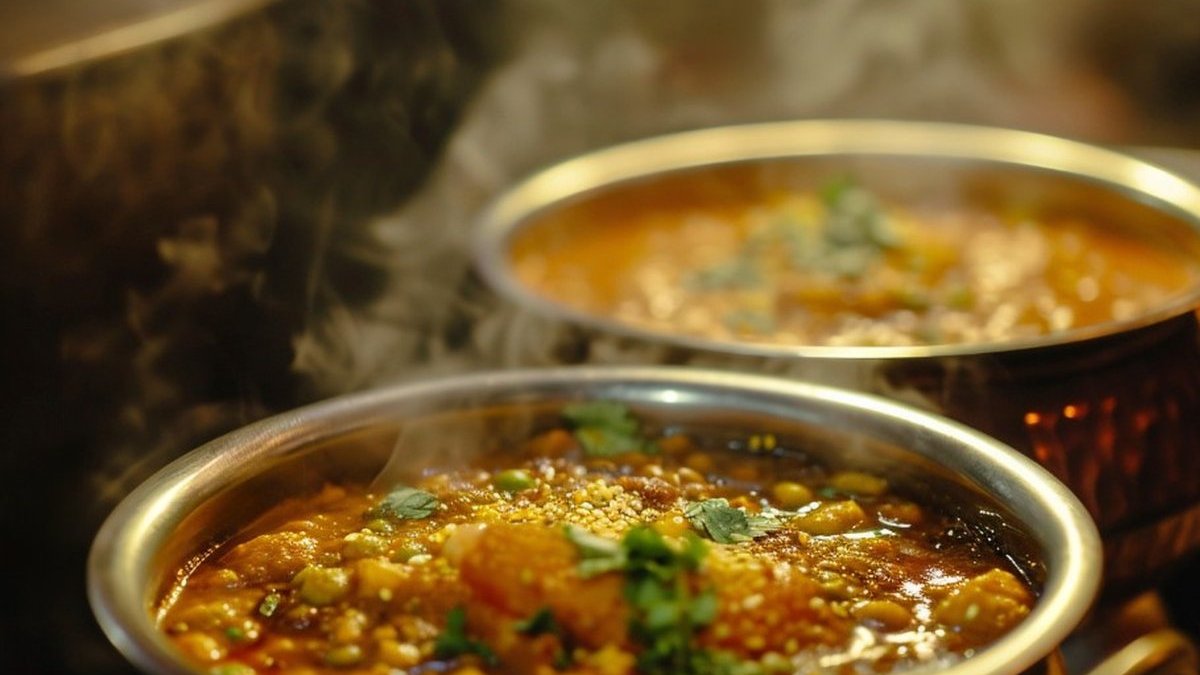
The best oats for weight loss are the plainest ones: steel-cut or rolled oats that you cook yourself, made savoury with vegetables and eaten with dahi, egg or dal. Oats are a useful whole grain, not a fat burner. The same is true of ragi, jowar, bajra and other millets. They can make a meal more filling, but the portion still decides how much energy you eat.
For the full plate, a realistic pace and when to seek help, see our weight management guide for Indians. If you take insulin or sugar-lowering tablets, agree any change to your breakfast grain or its amount with your doctor first.
Best oats for weight loss: the short answer
Choose oats with one ingredient on the label: oats. Steel-cut and rolled flakes are the least processed and digest a little more slowly than instant oats. Start with about 40 g dry for one meal, cook it with vegetables, and add a protein. Flavoured sachets, sweetened mixes and oat biscuits are different foods with oats in them.
Millets earn their place the same way: as a swap for part of the rice or wheat you already eat, not as an extra. Indian Council of Medical Research–National Institute of Nutrition (ICMR-NIN) says millets can make up 30–40% of the day's cereals by raw weight, and that people trying to lose weight may cut down on cereals overall.
What oats can and cannot do for weight
Oats contain beta-glucan, a soluble fibre that thickens into a gel in the gut and slows digestion. That is the reason a bowl of cooked oats tends to feel more filling than the same energy from cornflakes or white bread. The same fibre explains the cholesterol effect covered in our guide to oats, breakfast and cholesterol.
The weight effect is small. A 2019 meta-analysis of 20 randomised trials using this cereal fibre from oats or barley found an average weight difference of 0.77 kg and a body mass index (BMI) difference of 0.62 kg/m², with no significant change in waist size or total energy intake. Trials were short and used different doses. Read that as a reason to prefer oats over refined cereal, not as a treatment.
- What oats can do: add fibre and some protein to breakfast, and replace white bread, biscuits or sweetened cereal.
- What oats cannot do: cancel extra calories, melt belly fat, or work without changes to the rest of the day.
- What spoils the benefit: sugar, honey or jaggery stirred in, a very large bowl, or a sachet that is mostly seasoning.
Which oats is best for weight loss? Types compared
All plain oats start as the same whole grain. What changes is how finely they are cut, steamed and pressed, and what the maker adds.
| Type | What it is | Cooking time | Fit for weight loss |
|---|---|---|---|
| Steel-cut oats | Whole oat grains chopped into small pieces | Longest | Good choice; chewy and slowest to digest |
| Rolled oats | Whole grains steamed and pressed into flakes | Medium | Good everyday choice; easy for upma and chilla |
| Quick or instant oats | Thinner, more processed flakes | Shortest | Fine if plain; digest faster, so pair with protein |
| Flavoured or masala oats | Oats plus salt or sugar, spice mix and flavouring | Shortest | Check sodium and sugar; often a snack, not a meal |
| Oat flour | Oats ground fine | Used in batters and dough | Useful in chilla or roti; fine flour digests faster |
Processing does change how fast oats raise blood glucose. In a 2019 trial of 30 healthy adults, summarised in a 2021 review, porridge from steel-cut oats had a glycaemic index (GI) of 53, old-fashioned rolled flakes 56 and instant oats 67. GI ranks how quickly a food's carbohydrate raises blood glucose; lower is slower. The same review lists a wholemeal oat-flour porridge at 74 in another study. These gaps are real, but your portion and toppings matter more.
Flavoured and masala oats
Turn the pack over. ICMR-NIN's daily limit is 5 g of salt, about 2 g of sodium, so a savoury sachet listing 700 mg of sodium per serving would use over a third of it. Sweet flavours often add sugar, and ICMR-NIN counts honey and jaggery as added sugar too. Plain oats have about 1 g of total sugars per 100 g in US Department of Agriculture (USDA) data, so a much higher figure on the label means something was added.
How much oats to eat: household measures
No guideline sets an oats dose for weight loss. As a starting example, 40 g of dry oats makes one breakfast for many adults. By our arithmetic from USDA values, that is about 150 kcal, 5 g of protein and 4 g of fibre. Oats swell a lot when cooked, so measure them dry.
| Household measure (dry, level) | Approximate weight |
|---|---|
| 1 tablespoon | About 5 g |
| 8 tablespoons | About 40 g |
| 1 measuring cup (240 ml) | About 81 g |
| 1 medium katori (200 ml) | About 67 g |
The cup weight is USDA's; the katori figure is our conversion using ICMR-NIN's 200 ml medium katori. Smaller adults or less active days may suit 30 g; very active people may need more. Count the oats as the grain of that meal, so skip the toast or paratha alongside. Our calorie counter for Indian servings can help you compare oats with poha, upma or roti.
How to cook savoury Indian oats
Savoury oats fit Indian tastes and make it easier to add vegetables and protein. Sweet oats can work too if you cook them in milk without sugar and add fruit instead.
Vegetable oats upma
- Dry-roast 40 g of oats in a pan until lightly crisp, then set aside.
- Heat 1 teaspoon of oil; add mustard seeds, curry leaves, green chilli and 1 tablespoon of peanuts.
- Add 1 katori of chopped onion, carrot, beans, peas and capsicum; cook until just soft.
- Add the oats, salt, turmeric and a little water; stir until soft. Finish with lemon and coriander, and have dahi on the side.
Oats chilla
- Grind 4 tablespoons of oats and mix with 2 tablespoons of besan or moong dal flour.
- Add grated vegetables, chilli, ginger and enough water for a pourable batter; rest it briefly.
- Cook thin chillas on a tawa brushed with oil, not poured with it. Serve with mint chutney or dahi.
Other easy uses: a handful of oats in vegetable khichdi with moong dal, or overnight oats in plain dahi with chopped fruit. For more morning ideas, see our Indian breakfast for weight loss guide.
Muesli vs oats: read the label per 100 g
Muesli is a mix of rolled grains, often with nuts, seeds and dried fruit. Plain versions can be a reasonable breakfast. Many packs, though, add sugar, honey or glucose syrup, and crunchy or baked styles usually contain added oil as well. The name on the front tells you little; the label tells you more.
ICMR-NIN notes that ingredients are listed in descending order of quantity and that nutrition is shown per 100 g, which lets you compare packs fairly:
| Check | Plain oats | What to look for in a mix |
|---|---|---|
| Ingredients | Oats only | A whole grain first; sugar, honey, jaggery or syrup absent or near the end |
| Total sugars per 100 g | About 1 g | Lower is better; dried fruit adds sugar too |
| Added sugars | None | As close to zero as possible |
| Serving size | You measure it | Compare the label serving with what you actually pour |
ICMR-NIN suggests limiting sugar to 25 g a day from all foods combined. A no-added-sugar mix in a measured portion with milk or dahi can fit. A bowl topped up from the box, with honey on top, is closer to dessert. Our guide to Indian foods checked for weight loss covers other common breakfast items.
Millets for weight loss: ragi, jowar, bajra and more
Millets are whole grains with fibre in the same range as whole wheat. ICMR-NIN's "My Plate for the Day" lists 250 g of raw cereals for a 2,000 kcal diet, asks that at least half be whole grains such as millets, and says millets can make up 30–40% of the cereals.
| Grain (raw) | Protein, g per 100 g | Total dietary fibre, g per 100 g |
|---|---|---|
| Ragi (finger millet) | 7.2 | 11.2 |
| Jowar (sorghum) | 10.0 | 10.2 |
| Bajra (pearl millet) | 11.0 | 11.5 |
| Little millet (kutki, samai) | 10.1 | 7.7 |
| Foxtail millet (kangni) | 12.3 (older figure) | Not listed (see note) |
| Whole wheat | 10.6 | 11.2 |
| Rice, raw milled | 7.9 | 2.8 |
| Oats, dry | 13.2 | 10.1 |
Values are from Indian Food Composition Tables 2017 (IFCT), rounded, except foxtail millet, which IFCT does not list (the protein figure is an older ICMR-NIN value quoted by the Indian Institute of Millets Research), and oats, from USDA. Notice what the table does not show: millets are not much lower in energy. IFCT lists ragi at 321 kcal, jowar at 334 and bajra at 348 per 100 g, against 322 for whole wheat. The gain over polished rice is fibre and minerals, not fewer calories.
What the research shows
A 2021 meta-analysis of 19 studies reported that body mass index fell by 7% in overweight people who ate millet-based diets for 3–4 months, but the weight change itself was not statistically significant. A published commentary later pointed out that the analysis compared before-and-after values within millet groups rather than against control groups, so it cannot show millets caused the change. Blood sugar results depend heavily on cooking too: smooth ragi porridge tested high in an Indian study, as our ragi for diabetes guide explains.
Millet rotis, khichdi and porridge
- Rotis: 1–2 medium jowar, bajra or ragi rotis at a meal is a starting example, the same as wheat phulka. Mixed atta is fine. Spread ghee or butter lightly, if at all.
- Khichdi: cook foxtail or little millet with moong dal and plenty of vegetables, and keep the serving to one katori with dahi or salad.
- Porridge and malt: cook ragi in milk or water without sugar. Many instant ragi malt mixes are sweetened, so read the label.
- Packaged millet snacks: millet cookies, puffs and noodles are still processed snacks. A millet label does not change that.
Special situations and safety
- Diabetes medicines: swapping or shrinking your grain can lower sugar more than expected on insulin or sulfonylurea tablets. Change one meal at a time and agree it with your doctor.
- Coeliac disease: oats are often contaminated with wheat during processing, and some people with coeliac disease also react to oats. Ask your doctor before adding them. Millets are naturally gluten-free, but packaged flours can be mixed.
- Kidney disease: whole grains and millets carry more phosphorus and potassium than refined grains. Ask your kidney team before a large switch.
- Bloating: raise fibre gradually over a few weeks and drink enough water.
- Eating disorders: rigid food rules can cause harm. Bingeing, vomiting, laxative use or severe restriction needs professional care.
When to see a doctor
Emergency: get help now
- Trouble breathing, faintness, or swelling of the lips, tongue or throat after eating.
- Severe low glucose with confusion, a seizure, unconsciousness or inability to swallow.
Prompt review
- Repeated low-glucose symptoms after changing your breakfast grain or portion.
- Ongoing diarrhoea, bloating or weight loss after eating wheat, oats or barley, which can point to coeliac disease.
Routine review
- You have kidney disease, are pregnant or breastfeeding, or follow a prescribed therapeutic diet.
- Your weight keeps rising despite measured portions, or falls without trying.
How Disha can help
Disha is an AI health coach that chats and calls in Hindi, English and Hinglish. It can help you measure oats or millets in the katori you already use, turn a sweet breakfast into a savoury one, and fit millet rotis into the meals your family cooks. It does not diagnose, prescribe or provide emergency care. Read how Disha coaching works.
This is not medical advice. This page provides general education for adults (18+). Do not change medicines or a prescribed therapeutic diet because of it. In an emergency, call 112.
Frequently asked questions
Which oats is good for weight loss?
Plain steel-cut or rolled oats are the best everyday choice. They are the least processed, digest a little more slowly than instant oats, and have no added salt or sugar. Cook about 40 g dry with vegetables or in milk without sugar, and add a protein such as dahi, egg or besan. Flavoured sachets are a different product.
Are instant oats good for weight loss?
Plain instant oats are still whole-grain oats with the same fibre. They are cut thinner and pre-cooked, so they digest faster: one trial measured a GI of 67 for instant oats against 53 for steel-cut. Use them if they save you time, keep the portion measured, and pair them with protein. Flavoured instant sachets often add sugar or salt.
How much oats should I eat in a day for weight loss?
No guideline sets a weight-loss dose. A practical starting serving is about 40 g of dry oats, roughly 8 level tablespoons, which gives about 150 kcal. Smaller or less active adults may suit 30 g. Count oats as the grain of that meal rather than adding them to a full plate, and adjust with your dietitian.
Is muesli good for weight loss?
It depends on the pack. A plain mix of rolled grains, nuts and seeds with no added sugar can fit in a measured portion. Many packs add sugar, honey or syrup, and dried fruit raises the sugar further. Compare total and added sugars per 100 g on the label, check that a whole grain is listed first, and measure the serving.
Which millet is best for weight loss?
No single millet causes weight loss. Ragi, jowar, bajra, foxtail and little millet all bring fibre, and their energy per 100 g is close to whole wheat. Choose the one your family enjoys and can cook regularly, use it in place of part of your rice or wheat, and keep rotis or khichdi to a measured portion.
Can I eat oats every day?
Yes, most adults can eat plain oats daily as part of a varied diet, as long as the portion fits and the rest of the plate has vegetables and protein. Rotating with millets, dalia, poha or idli adds variety. If you have coeliac disease, ask your doctor first, and add fibre gradually if oats make you bloated.
Sources
- ICMR–National Institute of Nutrition. Dietary Guidelines for Indians. 2024. Supports millets as 30–40% of cereals and at least half of cereals as whole grains, 5 g salt (2 g sodium) a day, limiting sugar to 25 g a day, honey and jaggery as added sugars, ingredients in descending order and nutrition per 100 g on labels, and the 200 ml medium katori.
- ICMR–National Institute of Nutrition. My Plate for the Day. 2024. Supports 250 g of raw cereals including millets for a 2,000 kcal diet, and that people trying to reduce weight may cut down on cereal intake.
- Longvah T, et al. Indian Food Composition Tables 2017. Supports protein, total dietary fibre and energy per 100 g for ragi, jowar, bajra, little millet, whole wheat and milled rice.
- ICAR–Indian Institute of Millets Research. Nutritional and Health Benefits of Millets. Supports the older protein value for foxtail millet, which is not in IFCT 2017.
- US Department of Agriculture. FoodData Central: Cereals, oats, regular and quick, not fortified, dry (FDC 173904). Supports energy, protein, fibre and total sugars per 100 g of dry oats and 81 g per cup.
- Rahmani J, et al. Effects of cereal beta-glucan consumption on body weight, body mass index, waist circumference and total energy intake. 2019. Supports 0.77 kg weight and 0.62 kg/m² BMI differences across 20 trials, with no significant effect on waist or energy intake.
- Zhang K, et al. Oat-Based Foods: Chemical Constituents, Glycemic Index, and the Effect of Processing. 2021. Supports GI values of 53, 56 and 67 for steel-cut, rolled and instant oats in a trial of 30 adults, 74 for oat-flour porridge, and how processing changes oat products.
- Anitha S, et al. Can Millet Consumption Help Manage Hyperlipidemia and Obesity?. 2021. Supports a 7% lower BMI over 3–4 months across 19 studies, with no statistically significant weight change.
- Commentary. Use of Pre-Post Treatment Values in Place of Between Group Comparisons Invalidates Meta-Analysis Findings. Supports the limitation that the millet meta-analysis compared within-group changes rather than control groups.
Related reads
- Is it good for weight loss? Indian foods checked: everyday foods with honest verdicts.
- Indian breakfast for weight loss: twelve balanced breakfasts with portions.
- Is ragi good for diabetes?: what cooking does to millet and blood sugar.
- High-protein vegetarian Indian foods: what to pair with oats and millets.
- All weight management articles: every guide in this section.