Your scan report says PCOD. Your cousin was told she has PCOS. A video says one is a “disease” and the other a “disorder”, and that one is far more serious. No wonder so many women type “pcod aur pcos mein kya antar hai” into their phones.
For what PCOS is, how it is diagnosed and how it is treated, see our PCOS hub on symptoms, tests and treatment.
What is the difference between PCOS and PCOD?
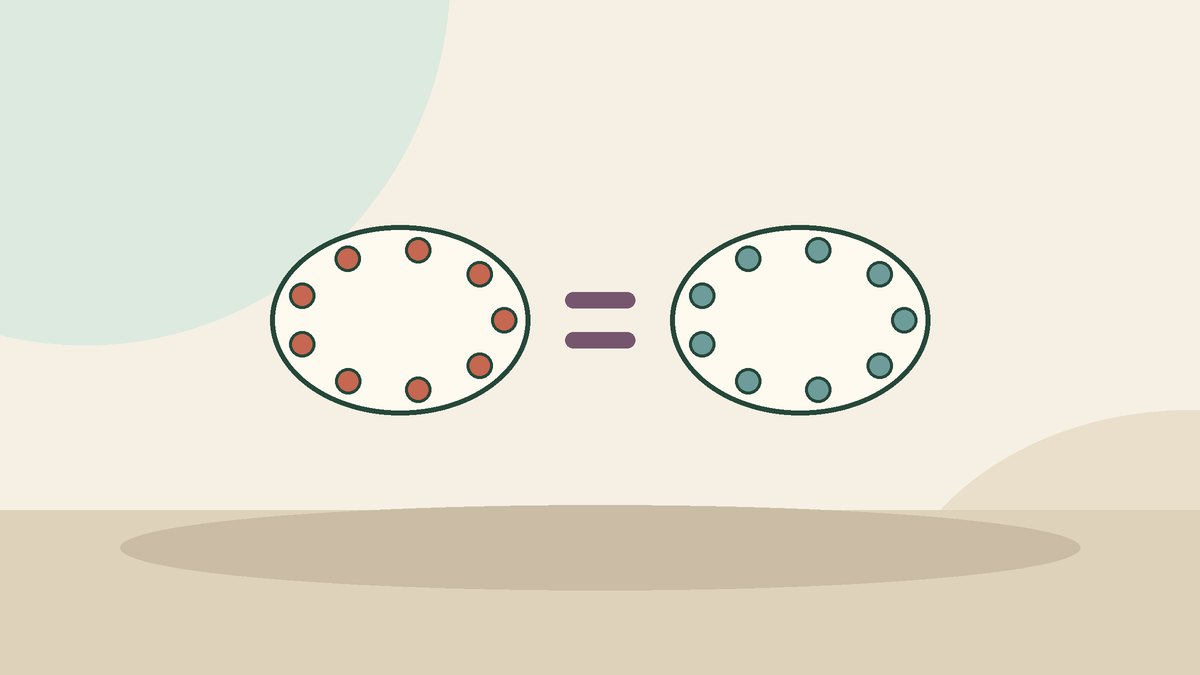
In medical guidelines, there is none. The 2023 international PCOS guideline, the World Health Organization (WHO) and National Health Service (NHS) describe one condition, PCOS. None of them lists PCOD as a separate diagnosis.
PCOD is an older name for the same condition. American gynaecologists Stein and Leventhal first described it in 1935. Since then it has been called Stein–Leventhal syndrome, polycystic ovarian disease, sclerocystic disease and PCOS, as a 2016 review in the journal of the Federation of Obstetric and Gynaecological Societies of India (FOGSI) notes.
In India, the old name stuck, and it is used loosely. You may hear “PCOD” for polycystic ovaries seen on a scan, as a gentler-sounding word for PCOS, or simply as another name for it. The label on your report does not tell you how severe things are; the features a doctor found do.
Briefly, from the hub: a doctor diagnoses PCOS when you have at least two of irregular or absent ovulation, signs of excess androgens (hormones such as testosterone), and polycystic ovaries on ultrasound or, in adults, a raised anti-Müllerian hormone (AMH) level, after other causes are ruled out. The hub’s diagnosis section explains each test.
In May 2026, the condition was renamed polyendocrine metabolic ovarian syndrome (PMOS). Professor Helena Teede, who led the change, said there is “no increase in abnormal cysts on the ovary”. The new name leads with hormones and metabolism, the opposite of the “ovary-only” idea behind PCOD. Our guide to PCOD meaning, full forms and the new name PMOS explains each term.
PCOD, PCOS difference: popular claims versus what guidelines say
Most “differences” shared online are not in any guideline.
| What you may hear | What guidelines and studies say | What it means for you |
|---|---|---|
| “PCOD and PCOS are two different conditions.” | One condition. The international guideline, WHO and NHS use only PCOS (now also PMOS); polycystic ovarian disease is one of its older names. | Ask which features were found, not which label applies. |
| “PCOD is a disease, PCOS is a disorder, so PCOS is worse.” | WHO itself calls PCOS “a common hormonal disorder”. No guideline uses “disease”, “disorder” or “syndrome” as grades of severity. | Ignore the word game; look at your own results. |
| “PCOD affects only the ovaries; PCOS affects the whole body.” | The condition involves hormones and metabolism. The guideline calls insulin resistance a key feature, and polycystic ovaries alone are not a diagnosis of either. | A scan finding on its own does not mean you have a disease. |
| “PCOD is common; PCOS is rare.” | PCOS itself is common: 10–13% of women worldwide (guideline, WHO), and 7.2–19.6% of Indian women aged 18–40, depending on the criteria used. | Being told “PCOS” is not being told you have something rare or extreme. |
| “PCOD goes away with diet; PCOS is for life.” | There is no cure for PCOS (WHO, NHS). The guideline suggests the diagnosis can be considered lifelong, though symptoms improve with treatment and change with age. | Healthy habits help whichever word is used; see our guide on whether PCOS can be cured or reversed. |
| “PCOD does not affect pregnancy.” | PCOS is a leading cause of infertility, and women with it can be supported to become pregnant (WHO). The guideline calls PCOS pregnancies higher risk. | Plan pregnancy with your doctor whatever your report says. |
In the largest Indian study, the most common forms of PCOS were the ones that can look “mild”. The Indian Council of Medical Research (ICMR) PCOS Task Force study of 8,993 women aged 18–40 found that 40.8% of women with PCOS had excess androgens and polycystic ovaries but regular periods, and 24.6% had irregular periods and polycystic ovaries without signs of excess androgens. These are still PCOS by definition, with the same need for checks.
If your scan shows polycystic ovaries but nothing else
Many “PCOD” labels start with an ultrasound report. The “cysts” are usually many small follicles, fluid-filled sacs that each hold an immature egg. Polycystic ovaries on a scan are common in women who do not have PCOS:
- A 2006 study in the Journal of Clinical Endocrinology and Metabolism noted that the same ovarian appearance had been found in 16–25% of women without PCOS.
- A 2025 review by guideline authors puts the range at 5% to 50% in women without PCOS, especially under 30.
- The international guideline does not recommend using ultrasound to diagnose PCOS in adolescents, because many young ovaries look like this.
The longer-term picture is reassuring. In that 2006 study, 40 healthy women were followed for about 8 years. Of the 23 who had polycystic ovaries at the start, one developed irregular periods and probable PCOS, and in about half the ovaries no longer looked polycystic. A 2010 study of 262 women aged 25–45 who ovulated normally found that those with polycystic ovaries lacked the metabolic problems seen in PCOS; its authors concluded that this finding alone, in a woman who ovulates, is not a reason for metabolic tests. Both studies are small and used older scan definitions.
So if your periods are regular and you have no excess facial hair, acne or scalp thinning, a scan showing polycystic ovaries does not meet the guideline definition of PCOS. It is not a milder disease that needs treating. Our guide to polycystic ovaries on an ultrasound report goes through the scan findings.
One honest caution: a single feature is not always nothing. The ICMR study looked separately at 492 women with only one feature (irregular periods only, excess androgens only, or polycystic ovaries only). They had metabolic problems too, including fatty liver in 33.1% and prediabetes after a glucose drink in 12.6%. The group mixed all three features, so it does not show that a scan finding alone carries risk. Ask your doctor whether you need follow-up. Our suggestion, a judgement rather than a guideline rule, is that any Indian adult with a higher weight or waist, or a family history of diabetes, should have routine sugar and cholesterol checks whatever the scan says.
Is PCOS dangerous? The real long-term risks
PCOS raises several long-term health risks, which is why guidelines ask for regular checks. A raised risk means more likely than average, not certain. The main ones, from the guideline unless another source is named:
| Risk | What the evidence says | Checks to discuss |
|---|---|---|
| Type 2 diabetes and prediabetes | Higher risk whatever your age or body mass index (BMI), so slim women are not exempt | A 75-g oral glucose tolerance test (OGTT) at diagnosis, repeated every 1–3 years depending on other risks |
| Heart and blood vessels | Increased risk of cardiovascular disease, though the overall risk before menopause is low; NHS also lists high blood pressure | A lipid (cholesterol) profile at diagnosis, and blood pressure every year |
| Fatty liver | NHS lists non-alcoholic fatty liver disease among possible complications | Ask your doctor whether liver tests are needed |
| Womb lining | A “markedly higher risk” of thickening (endometrial hyperplasia) and cancer before menopause, though the overall chance of cancer is low and routine screening is not recommended; long gaps without periods add to the risk | See a doctor after three months without a period; see our guide to irregular periods and when to worry |
| Pregnancy | Higher risk of miscarriage, gestational diabetes, high blood pressure and pre-eclampsia, smaller babies, preterm birth and caesarean section; the certainty of this evidence is very low | OGTT and blood pressure when planning pregnancy; tell your antenatal team you have PCOS |
| Mood and mental health | High rates of depression and anxiety; WHO adds eating disorders and negative body image | Screening for depression and anxiety at diagnosis, and again as life changes |
| Sleep | Obstructive sleep apnoea is significantly more common, independent of BMI | Mention loud snoring with unrefreshing sleep or daytime sleepiness |
Indian figures show why the checks matter. In the ICMR study, among 1,224 women with PCOS, 43.2% had obesity by Asian cut-offs, 32.9% had fatty liver, 24.9% had metabolic syndrome, 9.1% had prediabetes after a glucose drink, 3.3% had diabetes and 8.3% had high blood pressure. 91.9% had at least one abnormal cholesterol or triglyceride value, a broad definition that includes low “good” cholesterol. This was a one-time snapshot, not a forecast for any one woman.
These numbers describe groups, not you. Most of these problems can be found early with simple blood tests and a blood-pressure check. WHO says lifestyle changes, medicines and fertility treatment can reduce symptoms and protect longer-term health, and that healthy eating and activity help “even if they do not lead to weight loss”. Habits cannot guarantee you will avoid these conditions, so keep the checks going even when you feel well.
So which is more dangerous, PCOS or PCOD?
Neither, because they are the same condition. Your risk depends on your own features and circumstances, not on the word on your report. Things that matter include:
- higher weight or a larger waist (Indian cut-offs are lower than international ones; check yours with our BMI calculator with Indian cut-offs);
- long gaps between periods that are not treated, which matter for the womb lining;
- untreated low mood, anxiety or disordered eating;
- pregnancy, when blood sugar and blood pressure need closer watching.
A report that says “PCOD” and is treated as “nothing much” can be riskier than a clear PCOS diagnosis with regular follow-up, simply because the checks get skipped.
If your report says PCOD: questions to ask your doctor
Take your period dates for the last few months and every report, and ask:
- Which features did you find: irregular cycles, signs of excess androgens (on a blood test, or as facial hair, acne or scalp thinning), polycystic ovaries or a high AMH?
- Were other causes ruled out, such as pregnancy, thyroid problems or high prolactin?
- Do I meet the criteria for PCOS, or is this only a scan finding?
- Which checks do I need now: OGTT, lipid profile, blood pressure, mood?
- If my periods are far apart, how do we protect the womb lining?
- When should I come back for review?
If you are unsure which symptoms count, our guide to PCOS symptoms in women, including skin changes lists them. Do not start, stop or change any medicine because of a label alone.
When to see a doctor
The hub has the full list of PCOS warning signs.
Emergency: get help now (call 112)
- If you could be pregnant: severe or one-sided lower tummy pain, pain in the tip of your shoulder, or feeling very dizzy or fainting. These can signal an ectopic pregnancy (outside the womb).
- Thoughts of harming yourself. Call 112, or Tele Mental Health Assistance and Networking Across States (Tele-MANAS), the government’s free mental-health helpline, on 14416.
Prompt review: within days to a few weeks
- Excess hair, acne or scalp thinning that worsens quickly, or a deepening voice. The guideline says this needs tests to rule out rarer hormone-producing causes.
- No period for three months or more when you are not pregnant.
- Low mood, anxiety, or fear and guilt around food that is affecting daily life.
Routine review
Book an appointment if your report says PCOD or PCOS and no one has explained which features were found, if you have never had a glucose test, cholesterol test or blood-pressure check since diagnosis, if you snore loudly and wake unrefreshed, or before you try for a baby.
How Disha can help
Disha is an AI health coach that chats and calls in Hindi, English and Hinglish. It does not replace a doctor, and it does not diagnose, prescribe or provide emergency care. It helps with the daily habits your doctor recommends: meals, movement, sleep and stress. Its onboarding call of about 15–20 minutes is conducted by Disha, the AI; no human doctor is on the call. Read how Disha coaching works.
This is not medical advice. This page is general education for adults (18+), not a diagnosis or treatment plan. Do not start, stop or change any medicine because of it. If you are pregnant, breastfeeding or have a current or past eating disorder, get individual advice before changing how you eat or exercise. In an emergency, call 112.
Frequently asked questions
PCOS or PCOD: which is dangerous?
Neither label is more dangerous, because guidelines treat them as one condition. What matters is your own picture. PCOS raises the long-term risk of type 2 diabetes, heart and metabolic problems, thickening of the womb lining, pregnancy complications, depression and anxiety. Most of these can be found early with a glucose test, a cholesterol test, a blood-pressure check and a conversation about mood.
Can PCOD turn into PCOS?
They are not two stages of one illness, so one does not “turn into” the other. If “PCOD” on your report means only polycystic ovaries on a scan with regular periods, that rarely progresses: in one study following women for about 8 years, one of 23 such women developed probable PCOS. If your periods or skin change later, see a doctor again.
Is PCOD a disease and PCOS a disorder?
No. This popular explanation is not how any guideline describes the condition. WHO calls PCOS “a common hormonal disorder”, and polycystic ovarian disease is simply one of its older names. “Disease”, “disorder” and “syndrome” are not grades of severity. A doctor judges your situation from your periods, androgen signs, scan or AMH result and metabolic tests, not from the word used.
My scan shows polycystic ovaries but my periods are regular. Do I have PCOD?
Not by the guideline definition. Polycystic ovaries on a scan are common in women without PCOS, and the diagnosis needs at least two features. If your periods are regular and you have no excess hair, acne or scalp thinning, a scan alone does not mean PCOS. Ask your doctor whether any follow-up is needed, and see one again if your cycle changes.
Does PCOS cause cancer?
PCOS is linked to a higher risk of cancer of the womb lining before menopause, especially with long gaps between periods, higher weight or diabetes. The guideline stresses that the overall chance is low and does not recommend routine screening. The practical step is to see a doctor if you go three months without a period, so the lining can be protected.
Is PCOS dangerous during pregnancy?
PCOS makes pregnancy higher risk, not dangerous for everyone. The guideline lists higher chances of gestational diabetes, high blood pressure, pre-eclampsia, miscarriage and preterm birth, though the evidence is very low certainty. It recommends a glucose tolerance test and blood-pressure check before pregnancy, and a glucose test in pregnancy. Tell your antenatal doctor you have PCOS so they can monitor you.
Sources
- Teede HJ, Tay CT, Laven JJE, Dokras A, Moran LJ, Piltonen TT, Costello MF, Boivin J, Redman LM, Boyle JA, Norman RJ, Mousa A, Joham AE. Recommendations From the 2023 International Evidence-based Guideline for the Assessment and Management of Polycystic Ovary Syndrome. Journal of Clinical Endocrinology and Metabolism, 2023. Supports: one condition with no separate PCOD diagnosis; diagnostic criteria and AMH; insulin resistance as a key feature; 10–13% prevalence; no ultrasound diagnosis in adolescents; diagnosis considered lifelong; type 2 diabetes risk regardless of age and BMI; OGTT at diagnosis and every 1–3 years; cardiovascular risk, lipid profile and yearly blood pressure; endometrial risk, low overall chance and no routine screening; pregnancy risks and pre-pregnancy checks; depression and anxiety screening; sleep apnoea; tests for rapidly worsening androgen signs.
- World Health Organization. Polycystic ovary syndrome fact sheet. Current fact sheet, accessed 3 November 2026. Supports: PCOS as “a common hormonal disorder”; 10–13% prevalence; leading cause of infertility and support to become pregnant; longer-term risks including diabetes, high cholesterol, heart disease and endometrial cancer; eating disorders and body image; no cure; treatment protecting longer-term health; healthy habits help without weight loss.
- NHS. Polyendocrine metabolic ovarian syndrome (PMOS). Current patient guidance, accessed 3 November 2026. Supports: PMOS as the new name for PCOS, with no separate PCOD; no cure; complications including type 2 diabetes, high blood pressure, cardiovascular disease, non-alcoholic fatty liver disease and womb cancer.
- Endocrine Society. Polyendocrine Metabolic Ovarian Syndrome: New name to improve diagnosis and care of condition affecting 170 million women worldwide. 12 May 2026. Supports: the rename to PMOS; Professor Teede’s statement on ovarian cysts; the new name leading with hormones and metabolism.
- Khadilkar SS. Polycystic Ovarian Syndrome: Is It Time to Rename PCOS to HA-PODS? Journal of Obstetrics and Gynecology of India, 2016. Supports: first description by Stein and Leventhal in 1935; polycystic ovarian disease and sclerocystic disease as earlier names of the same condition.
- Ganie MA, Chowdhury S, Malhotra N, et al., for the PCOS Study Group. Prevalence, Phenotypes, and Comorbidities of Polycystic Ovary Syndrome Among Indian Women. JAMA Network Open, 2024. Observational, cross-sectional. Supports: 8,993 women aged 18–40; prevalence of 7.2–19.6% by criteria; phenotype C 40.8% and D 24.6%; comorbidities among 1,224 women with PCOS (obesity by Asian cut-offs 43.2%, dyslipidaemia 91.9% and its definition, fatty liver 32.9%, metabolic syndrome 24.9%, impaired glucose tolerance 9.1%, diabetes 3.3%, hypertension 8.3%); 492 women with one feature only (fatty liver 33.1%, impaired glucose tolerance 12.6%).
- Murphy MK, Hall JE, Adams JM, Lee H, Welt CK. Polycystic Ovarian Morphology in Normal Women Does Not Predict the Development of Polycystic Ovary Syndrome. Journal of Clinical Endocrinology and Metabolism, 2006. Supports: polycystic ovaries in 16–25% of women without PCOS; 40 women followed for about 8 years, 23 with polycystic ovaries, one developing probable PCOS, and about half no longer meeting the definition.
- Joham AE, Tay CT, Laven JSE, Louwers YV, Azziz R. Approach to the Patient: Diagnostic Challenges in the Workup for Polycystic Ovary Syndrome. Journal of Clinical Endocrinology and Metabolism, 2025. Supports: polycystic ovaries in 5% to 50% of women without PCOS, especially under 30.
- Johnstone EB, Rosen MP, Neril R, Trevithick D, Sternfeld B, Murphy R, Addauan-Andersen C, McConnell D, Pera RR, Cedars MI. The polycystic ovary post-Rotterdam: a common, age-dependent finding in ovulatory women without metabolic significance. Journal of Clinical Endocrinology and Metabolism, 2010. Supports: 262 ovulatory women aged 25–45; polycystic ovaries without the metabolic problems of PCOS; not an indication for metabolic tests on its own.
- NHS. Ectopic pregnancy, current patient guidance; and Ministry of Health and Family Welfare, Tele-MANAS, accessed 3 November 2026. Supports: one-sided tummy pain, shoulder-tip pain, dizziness and fainting as ectopic warning signs; the 14416 mental-health helpline.
Related reads
- PCOS in India: symptoms, tests, treatment and daily care: the overview this page sits under. It covers what PCOS is, diagnosis and treatment in full.
- PCOD meaning: full forms, PCO and the new name PMOS: for the terms themselves and what they stand for.
- PCOS symptoms in women: every common sign, including acne and other skin changes.
- Can PCOS be cured or reversed? What “remission” and “reversal” claims really mean.
- All PCOS articles: every Disha guide on PCOS in one place.
- BMI calculator with Indian cut-offs: weight and waist affect long-term risk. BMI is a screening number, not a test for PCOS.