If your comb, pillow or bathroom drain is collecting more hair than usual, food is often the first thing you want to fix. That is a sensible instinct, with one catch: the foods for hair fall that actually work are ordinary ones, and they help most when your body is short of something, such as iron, protein or simply enough food.
For the causes, types and tests of hair loss, start with our complete guide to hair loss in India.
When food helps hair fall, and when it cannot
Food helps hair when food is part of the problem. Dermatologists at the American Academy of Dermatology (AAD) list too little biotin, iron, protein or zinc as a cause of noticeable hair loss, and say hair can regrow once the body gets enough of the missing nutrient.
Food cannot fix hair loss with other causes. Inherited pattern hair loss, alopecia areata (round bald patches), thyroid disease, scalp infections and scarring hair loss need a doctor, whatever you eat. A good diet still supports your general health while they are treated.
Hair also responds slowly. Shedding usually starts a few months after a trigger, and the AAD says most people regain normal fullness within 6 to 9 months once the trigger stops. So a better diet is judged over months, not weeks, and more hair on the comb in the first few weeks does not mean it has failed.
Which nutrients have real evidence for hair
Strongest evidence: iron, protein and energy
- Iron. Low iron is a recognised cause of hair shedding, and women with heavy periods are more likely to run short. This matters in India: the National Family Health Survey (NFHS-5, 2019–21) found anaemia in 57.0% of women and 25.0% of men aged 15–49. Whether low iron stores without anaemia cause hair loss is still debated, so leave the ferritin numbers to your doctor; our guide to blood tests for hair fall explains them. Food alone may not correct a significant iron deficiency, and it does not replace finding the cause of heavy periods or other blood loss.
- Protein. A 2017 dermatology review by Guo and Katta notes that shedding is a well-known effect of a sudden drop in protein intake, and severe protein malnutrition thins hair.
- Enough food overall. The same review lists sudden weight loss as a classic shedding trigger. A 2019 review by Almohanna and colleagues describes people who started shedding 2–5 months after losing 11.7–24 kg on a vigorous weight-loss programme.
Weak or no evidence unless you are deficient
- Biotin. Deficiency is rare because gut bacteria make biotin and many foods contain it. Guo and Katta found no clinical trials showing biotin helps hair loss in people who are not deficient.
- Zinc and vitamin D. Low levels are reported in some people with hair loss, but evidence that supplements help people without a deficiency is limited.
Too much can cause hair loss
More is not better. The AAD says taking large amounts of vitamin A or selenium is toxic and can cause hair loss. Almohanna and colleagues describe an outbreak in which a mislabelled liquid supplement containing far too much selenium caused severe hair loss in most of the people who took it. Guo and Katta point out that some best-selling hair supplements contain selenium, vitamin A and vitamin E, all three linked to hair loss in excess. The AAD's advice is to take biotin, iron or zinc only when a blood test shows a deficiency, because extra can be harmful.
Foods for hair fall: nutrients and Indian sources
| Nutrient | Vegetarian sources | Non-vegetarian sources | Kitchen tip |
|---|---|---|---|
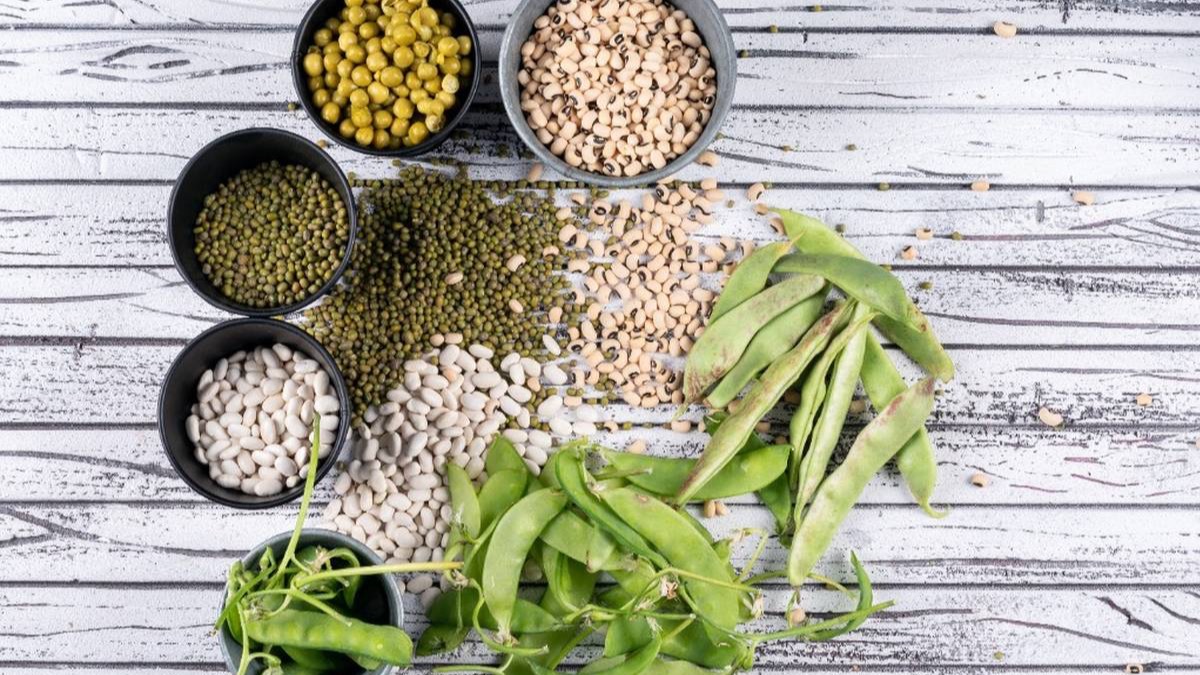
| Protein | Dal, rajma, chana, moong sprouts, besan, soy chunks, paneer, dahi, milk, peanuts | Eggs, fish, chicken, lean meat | Put a protein food in every meal; dal-chawal and idli-sambar combine cereal and pulse, which improves protein quality |
| Iron | Green leafy vegetables (palak, methi, bathua, sarson, drumstick leaves), chana, rajma, lobia, dates, raisins, bajra | Fish, chicken, meat, eggs | Iron from meat and fish is absorbed better than iron from plants |
| Vitamin C (helps iron absorption) | Amla, guava, orange, mosambi, lemon, tomato, pineapple, coriander-green chilli chutney | (Same fruits and vegetables) | Eat it in the same meal as dal, greens or chana; cooking and cut vegetables left standing lose vitamin C |
| Zinc | Pulses, nuts, seeds, millets, whole grains | Meat, chicken, eggs, fish | Soaking, sprouting, fermenting and pressure cooking make zinc and iron from grains and pulses easier to absorb |
| Biotin | Nuts, seeds, some vegetables | Eggs, fish, meat, liver | Eat eggs cooked; large amounts of raw egg white can block biotin |
| Vitamin D | Few foods; sunlight on skin is the main source | Fatty fish, egg yolk | Ask your doctor before testing or supplementing |
One piece of popular advice is worth correcting: milk is excellent for calcium and protein, but Indian Council of Medical Research–National Institute of Nutrition (ICMR-NIN) notes it is a poor source of iron.
How to absorb more iron from Indian meals
- Squeeze lemon on dal, sabzi or sprouts, or eat a guava, orange or amla with the meal.
- Choose fermented and sprouted foods: idli, dosa, dhokla and sprouts chaat.
- Keep chai and coffee away from meals. ICMR-NIN says tea binds dietary iron and should be avoided for at least an hour before, during or soon after a meal.
- If you eat meat or fish, having it in the same meal as dal or greens also helps you absorb the plant iron.
A hair-friendly Indian thali
A hair-friendly thali is simply a balanced one; if you searched for "hair fall ke liye diet", this is it. ICMR-NIN's Dietary Guidelines for Indians 2024 describe the pattern: vegetables, greens, fruit, roots and tubers make up about half the day's food, cereals are limited to 45% of energy, and at least half the cereals should be whole grains.
- Half the plate: sabzi, with a green leafy vegetable at least once a day, plus a tomato-onion-cucumber salad with lemon.
- A quarter: protein, such as a katori of dal, rajma or chana, a piece of paneer, soy, two eggs, fish or chicken.
- A quarter: roti, rice or millet, with whole grains such as bajra, jowar or ragi on some days.
- On the side: a katori of dahi, and green chutney or a fruit for vitamin C.
How much protein? There is no special "hair protein" number. ICMR-NIN puts the adult allowance at 0.83 g of protein per kg of body weight a day, about 54 g for a 65 kg adult, and says a varied Indian diet can meet it, even a fully plant-based one. It also says protein powders are unnecessary for normal healthy life. If you are vegetarian and struggle to reach this, our guide to high-protein vegetarian Indian foods goes food by food.
An example day of eating for hair fall
This is an example of proportions, not a prescription or a calorie plan. Swap in your own regional dishes. If you have diabetes and take insulin or sugar-lowering tablets, agree any change with your doctor first.
| Meal | Vegetarian example | Non-vegetarian swap |
|---|---|---|
| Early morning | Plain water | Same |
| Breakfast | Two moong dal or besan chillas with coriander-green chilli chutney, and a guava | Egg bhurji with tomato and one roti |
| Mid-morning | A fistful of roasted chana and an orange or amla | Same |
| Lunch | Two bajra or wheat rotis, a katori of rajma, palak or methi sabzi, salad with lemon, dahi | A piece of fish or chicken curry in place of the rajma |
| Evening | Chai, now well away from lunch, with a fistful of peanuts, or sprouts chaat with lemon | Same |
| Dinner | Rice or idli with sambar, a mixed vegetable sabzi, and a slice of lemon over the dal | Egg curry or chicken with the rice and sabzi |
To check you are not eating too little, try our calorie counter for Indian household servings; its values are estimates.
Onion juice, curry leaves, amla, rice water and gummies: honest verdicts
Many people searching "baal jhadna rokne ke liye khana" end up with home remedies. None of them replaces finding the cause.
| Remedy | What the evidence says | Verdict |
|---|---|---|
| Onion juice on the scalp | One small trial from 2002 found more regrowth than tap water, but only in people with patchy alopecia areata. It has not been shown to help everyday shedding or pattern thinning, and it can irritate the scalp. | Not a fix for ordinary hair fall; round patches need a doctor |
| Curry leaves | ICMR-NIN counts curry leaves among green leafy vegetables. We could not find good human trials showing curry leaves, in food or oil, reduce hair fall, and the few leaves in a tadka add little. | Enjoy them; do not rely on them |
| Amla | A rich source of vitamin C, which helps you absorb plant iron when eaten with a meal. We could not find good evidence that amla itself regrows hair. | Useful as food, especially with dal or greens |
| Rice water rinse | We could not find a clinical trial showing rice water rinses increase hair growth. Studies of rice bran extracts test a different product. | Harmless, but not a treatment |
| "Hair gummies" and hair vitamins | Usually built around biotin, often at high doses; some also contain vitamin A or selenium. No evidence they help if you are not deficient, and high biotin can make blood tests read falsely high or low. | Skip unless a doctor finds a deficiency |
If you have polycystic ovary syndrome (PCOS) or a thyroid condition
The same thali applies, with a few extra points. In PCOS, scalp thinning is often linked to raised androgens (hormones such as testosterone), which food alone cannot correct. If your doctor advises weight loss, lose it slowly, because a crash diet can add shedding on top.
With a thyroid condition, hair often regrows once the thyroid is treated. Iron and calcium supplements can affect how thyroid tablets are absorbed, so agree the timing with your doctor or pharmacist. Tell your doctor and lab about any biotin, because it can distort thyroid test results. Do not add selenium tablets for hair: too much causes hair loss itself.
When to see a doctor
These are the main warning signs; our hub has the full list of hair-loss red flags.
Emergency: get help now
- A painful, swollen or pus-filled scalp patch with fever or feeling very unwell.
- Sudden heavy hair loss with vomiting, confusion, or numbness or weakness in the hands or feet.
- Thoughts of harming yourself. Call 112 or Tele Mental Health Assistance and Networking Across States (Tele-MANAS), the Government of India's mental-health helpline.
Prompt review: within days to a few weeks
- Round bald patches, or patches that are red, scaly, painful or smooth and shiny.
- Sudden heavy shedding with no obvious trigger.
- Hair loss with tiredness, breathlessness, paleness, heavy periods, weight change or feeling unusually cold.
- Hair loss after starting a new medicine. Do not stop it; ask the doctor who prescribed it.
- Skipping meals, severe food restriction or fear of eating. Hair fall may be one sign your body is not getting enough.
Routine review
- Gradual thinning, a widening parting or a receding hairline.
- Shedding after childbirth or illness that has not settled after six months.
- Before starting any iron, zinc, biotin or "hair" supplement.
If you are pregnant or breastfeeding, follow your antenatal plan: ICMR-NIN advises iron and folic acid tablets during pregnancy in India. Ask your doctor before taking any hair product, because not every supplement is suitable in pregnancy or while breastfeeding.
How Disha can help
Disha is an AI health coach that chats and calls in Hindi, English and Hinglish. It can help you plan meals with enough protein and iron from your own kitchen, time chai away from meals, avoid crash dieting, and keep up movement and sleep. It does not diagnose hair loss, interpret tests, prescribe supplements or provide emergency care, and it does not replace your doctor. Read how Disha coaching works.
This is not medical advice. This page is general education for adults (18+), not a diagnosis or treatment plan. Hair loss in children needs a doctor's assessment. Do not start, stop or change any medicine or supplement because of this page. If you have a current or past eating disorder, get individual advice before changing how you eat.
Frequently asked questions
Which food stops hair fall?
No single food stops hair fall. A balanced Indian thali with a protein food at every meal, green leafy vegetables, and vitamin C from lemon, guava or amla covers what hair needs. Food helps most when you are short of iron, protein or total food, and changes take months to show. Hair loss from genes, thyroid disease or alopecia areata needs a doctor.
Does biotin help hair growth?
Only if you are deficient, which is rare. A 2017 dermatology review found no clinical trials showing biotin helps hair loss in people who are not deficient. High-dose biotin, common in hair gummies and hair, skin and nail products, can make some blood tests, including thyroid and heart tests, read falsely high or low. Eggs, nuts and seeds supply enough for most people.
Can low iron cause hair fall?
Yes. Iron deficiency is a recognised cause of hair shedding, and anaemia is common in India: NFHS-5 found it in 57% of women aged 15–49. Whether low iron stores without anaemia cause hair loss is still debated. If you have hair fall with tiredness, paleness or heavy periods, ask your doctor about a blood test before taking iron tablets.
How much protein do I need for hair?
There is no separate amount for hair. ICMR-NIN puts the adult allowance at 0.83 g of protein per kg of body weight a day, about 54 g for a 65 kg adult. A katori of dal, rajma or chana, dahi, paneer, eggs, fish or chicken spread across meals usually meets it. ICMR-NIN says protein powders are unnecessary for normal healthy life.
Do onion juice, curry leaves or amla help hair fall?
Not as treatments for ordinary hair fall. Onion juice helped in one small trial, but only in people with patchy alopecia areata. We found no good human trials for curry leaves. Amla is a good source of vitamin C, which helps you absorb iron from dal and greens when eaten with meals, so it earns its place as food rather than as a cure.
Can crash diets cause hair loss?
Yes. Sudden weight loss and a sharp drop in protein are well-known triggers of heavy shedding, which usually starts a few months after the diet. It is usually temporary, and most people regain normal fullness within 6 to 9 months once they eat normally again. If you want to lose weight, lose it slowly while keeping protein in every meal.
Should I take a hair vitamin supplement?
Not without a reason. The American Academy of Dermatology advises taking biotin, iron or zinc only when a blood test shows a deficiency, because extra can be harmful. Too much vitamin A or selenium can itself cause hair loss. If you are pregnant or breastfeeding, check any supplement with your doctor first. If a doctor prescribes a supplement, ask which deficiency it treats and for how long.
Sources
- American Academy of Dermatology. Hair loss: Who gets and causes. Current patient guidance, accessed 2026. Supports: too little biotin, iron, protein or zinc causing hair loss with regrowth once corrected; large amounts of vitamin A or selenium causing hair loss; regaining fullness within 6 to 9 months after shedding; thyroid disease, PCOS and alopecia areata as causes.
- American Academy of Dermatology. Hair loss: Diagnosis and treatment. Last updated 2022. Supports: taking biotin, iron or zinc only when a blood test shows a deficiency, and extra being harmful; hair supplements often containing a lot of one nutrient; results taking months.
- Guo EL, Katta R. Diet and hair loss: effects of nutrient deficiency and supplement use. Dermatology Practical & Conceptual, 2017. Narrative review. Supports: shedding after sudden weight loss or decreased protein; the unresolved link between low iron stores and hair loss; rare biotin deficiency, raw egg white and no trials of biotin without deficiency; excess selenium, vitamin A and vitamin E; zinc absorption in vegetarian diets; limited vitamin D data.
- Almohanna HM, Ahmed AA, Tsatalis JP, Tosti A. The Role of Vitamins and Minerals in Hair Loss: A Review. Dermatology and Therapy, 2019. Review. Supports: shedding 2–5 months after losing 11.7–24 kg on a weight-loss programme; vitamin C's role in iron absorption; biotin and vitamin E not supported for common hair loss; excess vitamin A and selenium causing hair loss, including a selenium supplement outbreak.
- Hosking AM, Juhasz M, Mesinkovska NA. Complementary and Alternative Treatments for Alopecia: A Comprehensive Review. Skin Appendage Disorders, 2019. Review. Supports: onion juice studied only in alopecia areata, in one small trial, working through scalp irritation and with odour as the main side effect; few alternative treatments backed by multiple trials.
- ICMR–National Institute of Nutrition. Dietary Guidelines for Indians. 2024. Guideline. Supports: iron sources and poor absorption from plant foods; vitamin C fruits and chutneys improving iron absorption; tea at least an hour away from meals; milk a poor source of iron; fermenting, sprouting and pressure cooking improving mineral absorption; amla as a vitamin C source; the 0.83 g/kg protein allowance; cereal-pulse combinations; protein powders unnecessary; the balanced plate; curry leaves among green leafy vegetables; iron and folic acid in pregnancy.
- International Institute for Population Sciences and Ministry of Health and Family Welfare. National Family Health Survey (NFHS-5) 2019–21: India Fact Sheet. 2021. Supports: anaemia in 57.0% of women and 25.0% of men aged 15–49.
- NIH Office of Dietary Supplements. Iron: Fact Sheet for Consumers. Updated 2023. Supports: better absorption of plant iron with vitamin C and with meat or fish; women with heavy periods at risk of low iron; iron reducing the effect of thyroid tablets.
- NIH Office of Dietary Supplements. Biotin: Fact Sheet for Consumers. Updated 2021. Supports: most people getting enough biotin from food; food sources including eggs, fish, meat, seeds and nuts; little scientific evidence for hair claims; high-dose biotin causing false results in some lab tests, including thyroid tests.
- US Food and Drug Administration, republished by the American Society of Anesthesiologists. Biotin (Vitamin B7): Safety Communication – May Interfere with Lab Tests. 2017. Supports: falsely high or low results on hormone and heart tests; hair, skin and nail supplements containing high biotin levels.
Related reads
- Hair loss in India: causes, tests, treatment and daily care: the full overview; this article goes deeper on food only.
- Hair fall after fever, dengue, COVID or a crash diet: why shedding starts months after a trigger and how long it lasts.
- Blood tests for hair fall: which ones help and which are overused: ferritin, haemoglobin, thyroid and vitamin tests explained.
- All hair loss articles: every Disha guide on hair fall and thinning.
- Calorie counter for Indian household servings: check you are eating enough, especially if you are trying to lose weight.
- BMI calculator with Asian cut-offs: see whether weight loss is actually needed before you cut food.