An Indian dinner for weight loss does not require a separate “diet” meal. Dal, sabzi, roti, rice, dahi, eggs, fish and chicken can all fit. The useful change is usually the ratio: more vegetables and protein, a measured share of grain, and less oil-heavy food or unplanned eating after dinner.
Dinner is only one part of the day. For body mass index, waist size, tests and the full treatment picture, start with our weight management guide for Indians. For breakfast, lunch and whole-day examples, see the Indian diet plan for weight loss.
Indian dinner for weight loss: build the plate first
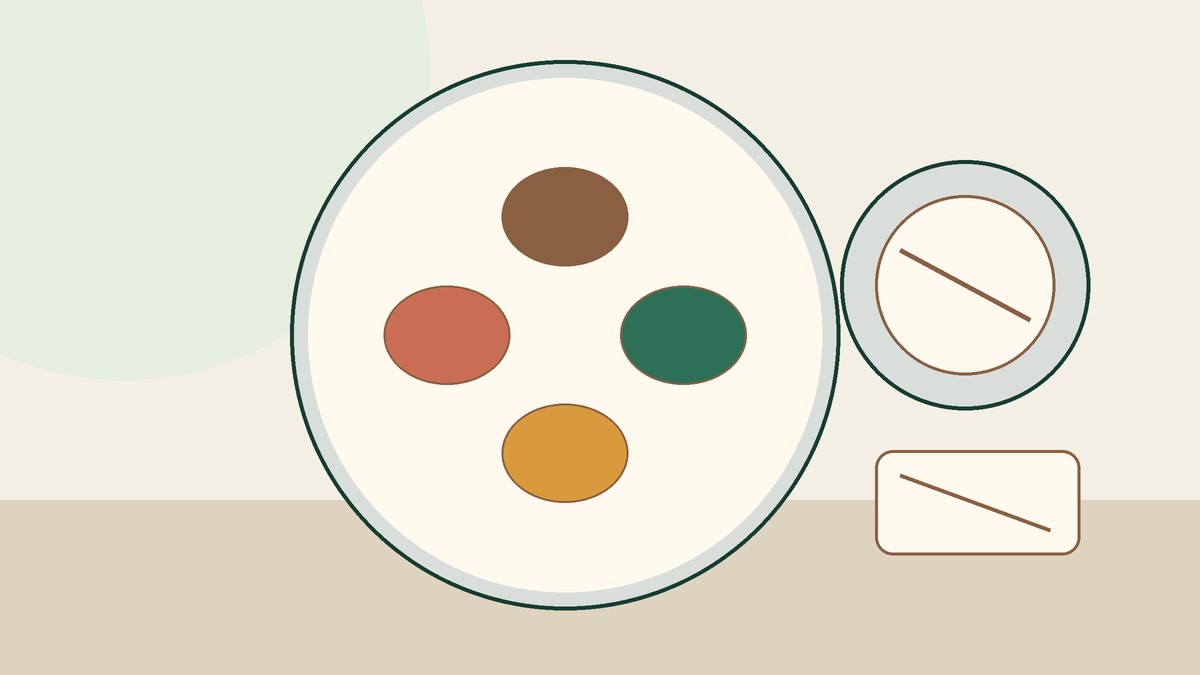
Use a familiar plate rather than a rigid menu. Fill about half with cooked vegetables or salad, about a quarter with a protein-rich food, and the remaining quarter with roti, rice or another grain. This is a practical interpretation of the Indian Council of Medical Research–National Institute of Nutrition (ICMR-NIN) plate, not an individual prescription.
| Part | Indian choices | Practical check |
|---|---|---|
| About half | Sabzi, greens, sambar vegetables, salad or vegetable raita | Make vegetables the largest visible part |
| About a quarter | Thick dal, chana, rajma, soy, paneer, dahi, eggs, fish or chicken | Include a clear protein source, not only thin gravy |
| About a quarter | Phulka, rice, millet roti, idli, dosa or another staple | Choose one main grain and notice the serving |
Oil, ghee, cream, fried sides and sweet drinks can make a modest-looking dinner energy-dense. Measure cooking fat for a few days rather than judging by sight. Keep the grain you enjoy; rice at night is not inherently more fattening than roti. The portion, cooking method and rest of the plate matter more.
Healthy Indian dinner examples that stay familiar
Vegetarian dinners
- Mixed sabzi, thick moong dal, phulka and plain dahi.
- Vegetable sambar, a measured serving of rice and a large poriyal.
- Rajma with salad and rice, with more rajma and vegetables than rice.
- Vegetable khichdi made with a generous share of dal, served with raita.
Egg, fish and chicken dinners
- Egg bhurji with capsicum and tomato, phulka and cucumber raita.
- Fish curry, vegetables and a measured serving of rice.
- Skinless chicken curry, sabzi and phulka, without a fried side.
These are patterns, not fixed menus. Hunger, body size, movement, medicines and health conditions change what is appropriate. If one plate leaves you hungry soon afterwards, first check whether it contained enough vegetables and a substantial protein food before removing more grain.
Weight loss dinner time: is earlier always better?
There is no universal 7 pm deadline. A 2024 systematic review of 29 randomised trials involving 2,485 adults found that eating more energy earlier in the day was associated with about 1.75 kg greater weight loss than a later distribution. However, the effects were small, most studies had important risk-of-bias concerns, and the clinical importance was uncertain. This supports “earlier may help a little,” not “food after a particular hour becomes fat.”
Choose a dinner time that you can repeat and that does not lead to a second meal late at night. Someone who reaches home late may do better with a planned, balanced dinner than with skipping it, becoming extremely hungry and grazing on convenient foods. Shift workers should organise meals around their waking and working period rather than copying a daytime clock.
If you have night-time acid reflux, the reason for an earlier dinner is different. The National Institute of Diabetes and Digestive and Kidney Diseases advises eating at least 3 hours before lying down or bed when symptoms occur at night. That is reflux guidance, not a weight-loss rule for everybody.
High-protein vegetarian dinner without relying on powder
Protein can make a meal more filling and helps preserve muscle while weight is being lost. Indian vegetarian choices include dal, chana, rajma, lobia, soy, paneer, dahi and combinations such as adai or pesarattu. Pairing cereals with pulses also improves the amino-acid mix. Our high-protein vegetarian foods guide gives food-by-food examples.
ICMR-NIN says protein powders are unnecessary for normal healthy life. A powder is not a fat-burning ingredient. It may be medically useful in selected circumstances, but it should not automatically replace a varied meal. People with kidney disease or a prescribed protein restriction should ask their treating clinician before increasing protein.
Late-night hunger, snacks and dinner portions
ICMR-NIN recommends limiting meal frequency to 2–3 meals and avoiding routine between-meal snacking. That does not mean ignoring genuine hunger or forcing the same schedule on everyone. First look for common causes: a very small dinner, little protein, few vegetables, long waking hours, poor sleep, alcohol or a habit tied to television.
If hunger is genuine, choose a planned modest option such as plain dahi, a fruit with a small handful of nuts, roasted chana or milk, according to your needs. Eating directly from a large packet makes the amount hard to notice. Repeated night eating with loss of control, shame or compensatory restriction deserves a non-judgemental clinical discussion.
Should you skip dinner for weight loss?
Not necessarily. A 2025 review of 99 trials found that intermittent-fasting patterns and continuous calorie restriction both reduced weight compared with unrestricted eating. Time-restricted eating was not clearly superior to ordinary continuous restriction. Skipping dinner can suit some routines, but it is not required and can backfire if it produces intense hunger or a larger later meal.
Do not start meal skipping without individual advice if you use insulin or a sulfonylurea-type diabetes tablet, are pregnant, breastfeeding or planning pregnancy, are under 18, or have a current or previous eating disorder. Reducing food while keeping the same diabetes-medicine dose can cause dangerous low blood sugar. Never change that dose yourself.
Diabetes, reflux and unusual schedules
Diabetes medicines
Keep carbohydrate amount and meal timing reasonably consistent if that is part of your treatment plan. Shaking, sweating, sudden hunger, confusion or dizziness after reducing dinner may be low blood sugar. Check and treat it using your clinician’s plan, and report repeated episodes. Read our diabetes medicines guide before making a major timing change.
Reflux or uncomfortable fullness
A smaller dinner, less fried or very fatty food, and the 3-hour dinner-to-bed gap may improve night symptoms. Trouble swallowing, repeated vomiting, blood in vomit, black stools or unexplained weight loss need medical assessment rather than repeated food experiments.
Night shifts
Plan one main meal before or during the active part of the shift and a lighter meal near sleep if needed. The aim is a predictable pattern that prevents continuous grazing. There is not enough evidence to prescribe one clock time for every shift worker.
When to see a doctor
Get emergency help
- Someone using diabetes medicines is confused, has a seizure, passes out or cannot swallow safely.
- Chest pain, severe breathlessness, fainting, or swelling with breathing difficulty. In India, call 112.
Arrange a prompt review
- Repeated low-sugar symptoms after changing dinner while taking diabetes medicine.
- Unintentional weight loss, persistent vomiting, trouble swallowing, blood in vomit or black stools.
- Bingeing, self-induced vomiting, laxative use or severe restriction around meals.
How Disha can help
Disha is an artificial intelligence (AI) health coach that chats and calls in Hindi, English and Hinglish. It can help turn familiar foods into repeatable meal, movement and sleep routines, but it does not diagnose symptoms, prescribe a dinner plan or change medicines. See how Disha coaching works.
The Indian food calorie counter can help compare portions, but its numbers are estimates and do not determine what you personally should eat.
This is not medical advice. This page provides general education for adults aged 18 and over. It is not a diagnosis or personal diet plan. Do not start, stop or change medicines because of it. Pregnancy, breastfeeding, diabetes medicines, kidney disease and an eating-disorder history require individual advice. In an emergency, call 112.
Frequently asked questions
Can I eat rice at night for weight loss?
Yes. Rice is not uniquely fattening at night. Keep it to a measured part of the plate and pair it with thick dal, vegetables, dahi, eggs, fish or chicken. A large serving with fried sides and little protein is a different meal from a modest serving with vegetables and protein.
What is the best weight loss dinner time?
There is no single best clock time. Earlier calorie distribution may have a small advantage, but evidence is uncertain. Choose a repeatable time that limits unplanned later eating. If you have night reflux, eating at least 3 hours before lying down may improve those symptoms.
Should I skip dinner for weight loss?
You do not need to. Intermittent fasting is not clearly better than ordinary calorie restriction. Skipping can help some people simplify eating, but it can also cause intense hunger. Do not skip meals without medical advice if you use sugar-lowering medicines, are pregnant or have had an eating disorder.
How many rotis should dinner include?
No number fits everyone because roti size, body size and activity differ. Start by keeping roti or rice to about a quarter of the plate, with half vegetables and a quarter protein. Review hunger, energy and progress over time rather than treating one roti count as a rule.
Is a protein shake a complete dinner?
Usually not. A shake may provide protein but can miss the variety, fibre and satisfaction of vegetables, pulses, grains and other whole foods. ICMR-NIN says protein powders are unnecessary for normal healthy life. A clinician may advise one in selected situations, but it is not automatically a balanced meal.
Does walking after dinner help?
A comfortable walk can add activity to the day and may help some people with post-meal glucose. It does not cancel an oversized meal, and vigorous exercise immediately after eating may feel uncomfortable. Start gently and follow individual advice if you have heart, lung, joint or diabetes-related concerns.
Sources
- Indian Council of Medical Research–National Institute of Nutrition. Dietary Guidelines for Indians. 2024. Supports the plate pattern, 2–3 meals, snack guidance, food-first protein and protein-powder caution.
- Liu HY, Eso AA, Cook N, O’Neill HM, Albarqouni L. Meal Timing and Anthropometric and Metabolic Outcomes. JAMA Network Open, 2024. Supports the small, uncertain effects of earlier calorie distribution.
- Semnani-Azad Z, et al. Intermittent fasting strategies and their effects on body weight and cardiometabolic risk factors. BMJ, 2025. Supports comparison with continuous calorie restriction.
- National Institute of Diabetes and Digestive and Kidney Diseases. Eating, Diet, and Nutrition for GER and GERD. Supports the 3-hour advice for night reflux.
- National Health Service. Low blood sugar. Supports symptoms, medicine-related risk and emergency signs.
- Misra A, Vikram NK, Ghosh A, Ranjan P, Gulati S. Revised definition of obesity in Asian Indians living in India. 2025. Supports sustainable Indian weight-management care and the limits of fasting evidence.
Related reads
- Weight management in India: BMI, waist, tests and treatment.
- Indian diet plan for weight loss: the full day, plate ratios and practical swaps.
- High-protein vegetarian Indian foods: practical food choices without relying on powder.
- Belly fat and waist size: Indian cut-offs and how to measure.
- All weight-management articles: browse the complete collection.