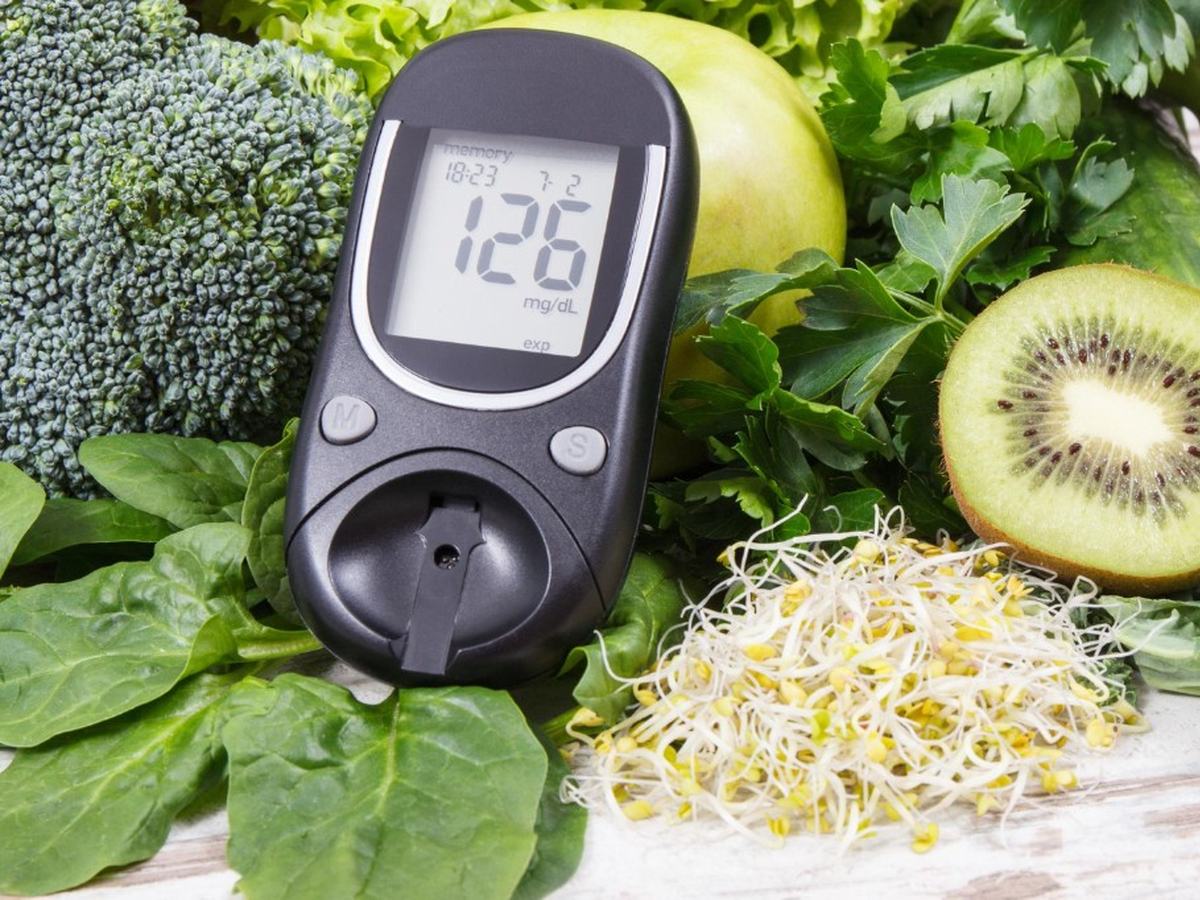
What diabetes is
Glucose is an important fuel. Insulin, a hormone made by the pancreas, helps glucose move from the blood into cells. Diabetes develops when insulin is absent, insufficient or no longer works effectively enough. Persistent high glucose can damage blood vessels and nerves and affect the heart, kidneys, eyes and feet, but early diagnosis and sustained care can prevent or delay many complications.
The main types
- Type 1 diabetes is usually caused by an autoimmune process that destroys insulin-producing beta cells. It can occur at any age. Insulin is essential for survival; food, exercise or weight loss cannot replace it.
- Type 2 diabetes involves insulin resistance plus a progressive loss of adequate insulin secretion. Family history, body-fat distribution, age, sleep, activity and several health conditions influence risk. It is not a failure of willpower.
- Gestational diabetes is diabetes first diagnosed during pregnancy when it was not clearly present before. It needs obstetric and diabetes care because targets and treatment differ in pregnancy.
- Other specific types include monogenic diabetes, diabetes related to pancreatic disease, and diabetes triggered by certain medicines or chemicals. Correct classification matters because treatment can differ.
Prediabetes means glucose is above the usual range but below the diabetes threshold. It is a high-risk state, not “mild diabetes”. “Borderline sugar” is an imprecise phrase. Remission can occur in some people with type 2 diabetes, but it is not the same as a cure and does not end the need for follow-up.
Diabetes is not contagious, is not caused by eating sugar alone and is not the same as diabetes insipidus, a different condition that can also cause intense thirst and frequent urination.
Symptoms and signs
Type 2 diabetes may cause no obvious symptoms for years. When symptoms occur, common ones include:
- being unusually thirsty or passing urine often, including at night;
- unexplained weight loss or increased hunger;
- tiredness, blurred vision or difficulty concentrating;
- slow-healing cuts, recurrent skin or genital infections;
- tingling, burning or reduced feeling in the feet.
These symptoms are not specific. Anaemia, thyroid disease, urinary infection, kidney disease, pregnancy, sleep disorders, some medicines and diabetes insipidus can overlap. Polycystic ovary syndrome (PCOS) can coexist with insulin resistance and increases type 2 diabetes risk, but PCOS symptoms do not prove diabetes.
Get prompt medical review for rapidly increasing thirst and urination, quick unexplained weight loss, repeated infections, a foot wound, new vision change, or recurrent suspected low glucose. Vomiting, abdominal pain, deep or rapid breathing, fruity-smelling breath, severe dehydration, marked drowsiness or confusion may signal a hyperglycaemic emergency and require immediate care.
Causes and risk factors
There is no single cause. In type 1 diabetes, genes and environmental exposures contribute to an autoimmune process. In type 2 diabetes, inherited susceptibility interacts with insulin resistance and gradual beta-cell dysfunction. During pregnancy, placental hormones increase insulin resistance; some pancreatitis, endocrine disorders and medicines can cause other forms.
Type 2 diabetes risk is higher with a close family history, increasing age, South Asian ancestry, abdominal fat, lower physical activity, previous gestational diabetes, PCOS, high blood pressure, abnormal blood lipids, prediabetes, smoking, sleep apnoea and long-term exposure to some medicines such as glucocorticoids. A person can develop diabetes without a high body mass index (BMI), and not everyone with a larger body develops it.
India’s context is important without being destiny. The national Indian Council of Medical Research–India Diabetes (ICMR-INDIAB) cross-sectional study estimated diabetes prevalence at 11.4% and prediabetes at 15.3%, projecting about 101 million and 136 million affected adults respectively in 2021. These are population estimates, not an individual prediction. Research Society for the Study of Diabetes in India (RSSDI) recommends annual diabetes-risk evaluation from age 25 in India; American Diabetes Association (ADA) 2026 starts routine testing at 35, or earlier in Asian adults with BMI at least 23 kg/m² plus another risk factor. Ask a clinician which approach fits you.
Diagnosis and tests
Diabetes is diagnosed with laboratory testing, not symptoms, urine sugar, a smartwatch or one home-meter reading. ADA, Indian Council of Medical Research (ICMR) and World Health Organization (WHO) agree on the diabetes thresholds below. Unless there are classic symptoms with unequivocal hyperglycaemia or a hyperglycaemic crisis, an abnormal result usually needs confirmation with a repeat sample or a second diagnostic test.
| Test | What it measures | When it is useful | Important limitation |
|---|---|---|---|
| Glycated haemoglobin (HbA1c) | Weighted average glucose exposure over roughly 2–3 months; diabetes threshold ≥6.5% | Convenient screening, diagnosis and monitoring; no fasting needed | Anaemia, altered red-cell turnover, haemoglobin variants, kidney failure, recent transfusion and pregnancy can make it misleading |
| Fasting plasma glucose (FPG) | Plasma glucose after at least 8 hours without calories; diabetes threshold ≥126 mg/dL (7.0 mmol/L) | Common, relatively inexpensive screening and diagnosis | One morning value varies with illness, stress and sample handling; it can miss post-meal abnormalities |
| 75-g oral glucose tolerance test (OGTT) | Plasma glucose 2 hours after a standard glucose drink; diabetes threshold ≥200 mg/dL (11.1 mmol/L) | More sensitive in some people; used in selected cases and pregnancy with different protocols | Time-consuming and preparation-dependent; pregnancy criteria are different |
| Random plasma glucose | Glucose at any time | ≥200 mg/dL (11.1 mmol/L) can diagnose diabetes when classic symptoms or a hyperglycaemic crisis are present | Without classic symptoms, it is not enough by itself |
| Home blood-glucose meter | Capillary glucose at that moment | Monitoring patterns when recommended in a care plan | Not a formal diagnostic test; technique, strips and meter accuracy matter |
| Continuous glucose monitor (CGM) | Glucose in fluid under the skin over time | Finding patterns and guiding management for selected people | ADA says evidence is insufficient for screening or diagnosis; sensor accuracy and interpretation matter |
| eGFR and urine albumin-to-creatinine ratio (UACR) | Kidney filtration and urine protein leakage | Screening for kidney complications after diabetes is diagnosed | They do not diagnose diabetes; temporary illness, exercise and infection can alter urine albumin |
| Blood pressure, lipids, eye and foot assessment | Cardiovascular risk and possible complications | Baseline and follow-up diabetes care | Timing depends on diabetes type, age, duration and findings |
Prediabetes cut-offs differ. ADA defines impaired fasting glucose as 100–125 mg/dL, while WHO and ICMR use 110–125 mg/dL; both use a 2-hour OGTT range of 140–199 mg/dL, and ADA uses glycated haemoglobin (HbA1c) 5.7–6.4%. This is a real guideline difference. A clinician should interpret the laboratory method, symptoms, pregnancy status, medicines and any mismatch between HbA1c and glucose readings.
After diagnosis, tests are chosen for more than “sugar”. Clinicians may review kidney function, urine albumin, blood pressure, cholesterol, eyes, nerves and feet, and may order antibodies or C-peptide when the diabetes type is uncertain. More testing is not automatically better: fasting insulin, repeated random insulin levels and CGM are not routine diagnostic substitutes.
Treatment and management overview
Medical treatment
Treatment depends on diabetes type, glucose pattern, pregnancy, age, kidney and heart health, affordability and risk of low glucose. It may include structured education, laboratory and home monitoring, tablets or injectable glucose-lowering medicines, and insulin. Type 1 diabetes requires insulin. Care also includes blood-pressure and lipid management, vaccinations where appropriate, and screening for eye, kidney, nerve and foot complications.
Lifestyle management
Food quality and portions, movement, adequate sleep, tobacco cessation and support for diabetes distress can improve health and glucose management. For people with type 2 diabetes and excess weight, sustained weight loss may improve glycaemia and can sometimes contribute to remission. The appropriate goal is individual; weight loss is not a safe or necessary target for everyone.
What lifestyle cannot do
Lifestyle cannot replace insulin in type 1 diabetes, treat diabetic ketoacidosis or hyperosmolar hyperglycaemic state, guarantee type 2 remission, or reliably reverse established eye, kidney or nerve damage. It cannot tell you which medicine or dose is safe. As food intake, activity or weight changes, medicines that lower glucose can cause hypoglycaemia; medication changes belong to the prescribing clinician.
Medical disclaimer. This page provides general education, not diagnosis or an individual treatment plan. Do not start, stop or change any medicine based on it. Pregnancy, breastfeeding, kidney or liver disease, frailty, recurrent low glucose, and a current or past eating disorder require individual advice. For an emergency, use local emergency services; Disha does not provide emergency care.
Indian food and nutrition
There is no single “diabetes diet” and no ideal carbohydrate percentage for everyone. Indian Council of Medical Research–National Institute of Nutrition (ICMR-NIN)’s 2024 plate is a population guide, not a diabetes prescription, but its direction is useful: build diversity, make vegetables and fruit prominent, use whole or minimally processed grains more often, and include pulses, nuts, seeds, eggs, flesh foods or dairy as appropriate.
For a practical lunch or dinner, start with roughly half the plate as non-starchy vegetables such as bhindi, lauki, tori, beans, cabbage, palak or mixed sabzi. Use about a quarter for protein—dal, chana, rajma, soy, paneer, dahi, eggs, fish or chicken—and the remaining quarter for roti, rice or another starchy food. This is a starting picture, not a fixed prescription.
Measure rice in a katori rather than letting it spread across the plate. Keep dal thick enough to contribute pulses, not just water. For breakfast, add protein and vegetables: vegetable poha with peanuts plus dahi or an egg; idli with plenty of sambar; or besan chilla with vegetables. Whole fruit is generally more useful than juice. The Indian Food Composition Tables can estimate nutrients in foods, but cannot predict your personal glucose response.
| Instead of | Try | Why |
|---|---|---|
| Fruit juice or sweet lassi | Whole guava, orange or apple; plain chaas or unsweetened dahi | Whole fruit retains fibre; sweet drinks deliver carbohydrate quickly |
| A large plate of poha alone | A smaller vegetable poha with peas or peanuts plus dahi, sprouts or egg | Adds protein, fibre and food volume without relying only on flattened rice |
| Two large katoris of rice with thin dal | A smaller rice portion, one full katori of thick dal, sabzi and dahi | Changes the meal balance while keeping familiar food |
| Biscuits or namkeen as the default snack | Roasted chana, a modest portion of nuts, plain dahi or a boiled egg | Usually provides more protein or fibre and less refined starch |
| “Diabetic” sweets or millet biscuits | A planned small portion of a regular food, with the label checked | “Diabetic”, “natural” and “millet” do not mean carbohydrate-free or low-calorie |
Vegetarian diets can meet protein needs through varied dals, beans, soy, dairy, nuts and seeds; non-vegetarian options include eggs, fish and lean poultry. Kidney disease may change protein and potassium advice. Avoid extreme carbohydrate restriction, prolonged fasting or meal skipping without clinical supervision—especially during pregnancy or breastfeeding, with insulin or hypoglycaemia-causing medicines, or with an eating-disorder history.
For food-by-food detail, use our glycaemic index guide to common Indian foods as one tool, not a verdict on whether a food is “good” or “bad”. Portion and the whole meal still matter.
Movement, sleep and stress
ADA 2026 advises most adults with type 1 or type 2 diabetes to work towards at least 150 minutes of moderate-to-vigorous aerobic activity each week, spread across at least three days with no more than two consecutive inactive days. It also recommends resistance exercise two to three times weekly on non-consecutive days and interrupting prolonged sitting at least every 30 minutes.
Build from your current ability. Brisk walking, cycling, swimming, stair use, household work that raises the heart rate and short walks after meals can all contribute. Strength work can use body weight, resistance bands, machines or household objects with safe technique. A ten-minute walk is a valid starting block; several blocks can add up.
Ask for an exercise plan before increasing intensity if you have chest symptoms, severe breathlessness, recurrent low glucose, loss of foot sensation, an active foot wound, advanced eye disease, kidney disease or major joint limitations. If you use insulin or medicines that can cause low glucose, ask your diabetes team how activity affects monitoring, food and treatment—do not adjust doses from a general article.
ADA recommends screening for sleep disorders and using sleep-promoting routines, but does not set one diabetes-specific sleep duration for every adult. Keep a regular sleep-wake time where possible and discuss loud snoring, witnessed pauses in breathing, insomnia or persistent daytime sleepiness. Stress-management practices can reduce distress and make self-care easier; evidence that mindfulness or psychological programmes lower HbA1c by themselves is inconsistent, so they complement rather than replace medical care.

DishaAI Health Coach
Turn this into a routine that fits your kitchen
Disha, an AI health coach, starts with an onboarding call of about 15–20 minutes, then helps you plan meals, movement and sleep around your day. It works alongside your doctor, not instead of them.
Download Disha freeMyths and unsupported claims
| Claim | What the evidence says | What to do instead |
|---|---|---|
| “Only sweets cause diabetes.” | Diabetes has genetic, autoimmune, metabolic, hormonal and environmental causes. Total eating pattern, activity and body-fat distribution affect type 2 risk; sugar is only one factor. | Review the whole plate, drinks, portions, movement and medical risks without blame. |
| “Jaggery and honey are safe replacements for sugar.” | They still contain sugars and can raise blood glucose. “Natural” does not mean glucose-free. | Use less added sweetness overall and do not count gud or honey as treatment. |
| “Brown rice or millets can be eaten without limits.” | They may offer fibre and micronutrients but still provide carbohydrate. Processing and portion change the response. | Use a measured portion and pair it with dal or another protein and vegetables. |
| “Karela, methi, cinnamon or a supplement can replace medicine.” | ADA 2026 does not recommend vitamins, minerals, herbs or spices such as cinnamon or aloe vera for glycaemic benefit. They are not evidence-based replacements for treatment. | Enjoy culinary amounts as food if suitable, but discuss any supplement with a clinician and never replace prescribed care. |
| “People with diabetes must stop fruit and all carbohydrates.” | Carbohydrate-containing foods vary in nutrition, portion and effect. Severe restriction is not necessary or safe for everyone. | Choose whole fruit, pulses, vegetables and less-refined staples, with an individual plan where needed. |
| “Type 2 diabetes is permanently reversed once HbA1c falls.” | The accepted term is remission, which has a defined test criterion and can relapse. Complication surveillance continues. | Keep follow-up and use “remission” only when a clinician confirms the criteria. |
When to see a doctor
Emergency or urgent warning signs
- Go for emergency care now for vomiting with abdominal pain, deep or rapid breathing, fruity-smelling breath, severe dehydration, marked drowsiness, confusion, seizure or unconsciousness—especially with high glucose or ketones.
- Use emergency services for chest pressure, severe breathlessness, one-sided weakness, facial droop or new speech difficulty.
- Get urgent help when a person with suspected low glucose cannot swallow safely, has a seizure or is unconscious.
- Seek same-day clinical advice for repeated very high or low readings, inability to keep fluids down, rapidly worsening symptoms, or an infected or blackening foot wound.
Routine medical review
Book a review if you have symptoms, an abnormal screening or home reading, a family history plus other risk factors, previous gestational diabetes, PCOS, or are starting a medicine known to raise glucose. People already diagnosed need planned review of glucose, treatment safety, blood pressure, lipids and complication screening. Pregnancy or plans to conceive should be discussed early because glucose targets and medicines require specialist assessment.
When specialist input may be needed
Referral may be appropriate for suspected type 1 diabetes; pregnancy; uncertain diabetes type; young age, low BMI or rapid progression; recurrent severe hypoglycaemia; difficult-to-manage glucose; kidney, eye, nerve or foot complications; or possible monogenic or pancreatic diabetes. Diabetes distress, depression, anxiety or disordered eating also deserve qualified mental-health support integrated with diabetes care.
How Disha can help
Disha is an AI health coach for day-to-day food, movement, sleep and habit support. Its onboarding call lasts approximately 15–20 minutes and is conducted by Disha, the AI Health Coach. Disha can help you plan familiar Indian meals, notice routine patterns and stay consistent with goals agreed with your care team. It does not diagnose diabetes, interpret an emergency, prescribe medicine, change doses or replace a doctor or dietitian. If symptoms or readings are concerning, contact a qualified clinician; for urgent warning signs, use emergency services.
Frequently asked questions
Can I continue eating normal Indian food with diabetes?
Usually, yes. Diabetes does not require a separate “diabetic” menu. Keep familiar foods such as roti, rice, dal, sabzi, idli and poha, but review portions and pair carbohydrate with vegetables and protein. Your needs vary with medicines, activity, kidney health and pregnancy, so ask your clinician or dietitian for an individual plan.
Can lifestyle help if I already take diabetes medicine?
Yes. Food, movement, sleep and self-management remain important alongside medicine and may improve glucose, blood pressure, lipids and wellbeing. They do not make prescribed treatment optional. As habits or weight change, some medicines can cause low glucose, so never stop, reduce or change a dose without the clinician who manages your treatment.
How long might diabetes improvement take?
There is no guaranteed timeline. Meal-related glucose readings can change sooner, while HbA1c reflects a weighted average over roughly two to three months. Symptoms, medicines, diabetes type, illness, sleep and consistency all affect the pattern. Agree on what to monitor with your clinician instead of judging progress from one reading or one week.
Can diabetes be cured or reversed?
There is no established cure for type 1 diabetes. Some people with type 2 diabetes can reach remission, but “reversal” is often used too loosely. International consensus defines remission as HbA1c below 6.5% for at least three months without usual glucose-lowering medicine. Relapse can occur, and ongoing medical monitoring is still needed.
Which diabetes tests should I discuss with my doctor?
For diagnosis, discuss a laboratory HbA1c and/or fasting plasma glucose; an oral glucose tolerance test is useful in selected situations. After diagnosis, monitoring may include HbA1c, blood pressure, lipids, kidney tests such as eGFR and urine ACR, and eye and foot checks. The right set and frequency depend on diabetes type, treatment and complications.
When should I seek medical help for diabetes?
Seek emergency care for vomiting, abdominal pain, deep or rapid breathing, fruity-smelling breath, severe dehydration, confusion, seizure or unconsciousness, especially with high glucose or ketones. Arrange prompt review for rapidly worsening thirst, urination or weight loss, repeated very high or low readings, a foot wound, pregnancy, or illness that is disrupting glucose control.
Can PCOS or thyroid disease cause symptoms that look like diabetes?
They can overlap. Fatigue and weight change occur in diabetes and thyroid disorders, while PCOS is associated with insulin resistance and a higher risk of type 2 diabetes. These conditions can also coexist. Symptoms cannot identify which condition is present, so a clinician may use glucose tests alongside thyroid or reproductive-health assessment when appropriate.
Are jaggery, honey or millets safe in unlimited amounts for diabetes?
No. Jaggery and honey still raise blood glucose and count as added or free sugars. Millets can add variety, fibre and micronutrients, but they still provide carbohydrate; millet biscuits, flakes or large portions are not automatically glucose-friendly. Portion, processing and what you eat with the food matter more than a “natural” or “millet” label.
Should Indian adults be tested for diabetes even without symptoms?
Risk-based testing matters because type 2 diabetes may have no symptoms. RSSDI recommends annual diabetes-risk evaluation from age 25 in India. ADA guidance starts routine testing at 35, or earlier for Asian adults with BMI at least 23 kg/m² plus risk factors. Ask a clinician which schedule fits your family history, waist, pregnancy history and other risks.
Can a home glucometer diagnose diabetes?
No. A home meter can show a reading that needs attention and is useful for monitoring when your care plan calls for it, but formal diagnosis uses laboratory plasma glucose or a suitable laboratory HbA1c test. Unless there are classic symptoms with unequivocal hyperglycaemia, an abnormal diagnostic result usually needs confirmation.
Related reads
Diabetes articles
- Indian diabetes diet chart: veg and non-veg day plans: the diabetes plate, three Indian day plans and a swap table, using home food and household measures.
- Glycemic index of Indian foods: what the numbers can and cannot tell you: published GI values for Indian foods with their sources, and what GI can and cannot tell you.
- Indian breakfast for diabetes and cholesterol: where oats fit: common Indian breakfasts adjusted for sugar and cholesterol, and the real oats dose for lowering LDL.
Related condition hubs
- Weight management without fad diets — relevant when weight change is an agreed health goal, but not a requirement for every person with diabetes.
- PCOS, insulin resistance and cycle health — explains a common overlap in reproductive-age adults.
- Thyroid symptoms, tests and treatment — useful when fatigue or weight change may have more than one cause.
Disha tools
- Check the estimated glycaemic index of Indian foods — an educational lookup, not a personal glucose prediction.
- Estimate calories in Indian household servings — useful for portions, with values treated as estimates.
- Calculate BMI using Indian risk cut-offs — one screening measure that does not capture waist, muscle or individual health.
Sources
- American Diabetes Association Professional Practice Committee — Diagnosis and Classification of Diabetes: Standards of Care in Diabetes—2026 — 2026 — diagnostic and prediabetes thresholds, confirmation, diabetes types, screening ages, Asian BMI threshold, HbA1c limitations and why CGM does not diagnose diabetes.
- American Diabetes Association — Facilitating Positive Health Behaviors and Well-being: Standards of Care in Diabetes—2026 — 2026 — aerobic and resistance activity targets, interrupting sitting, sleep-health screening, diabetes-distress care and the recommendation against supplements for glycaemic benefit.
- American Diabetes Association — Standards of Care in Diabetes—2026 — 2026 — comprehensive assessment, glucose-monitoring technology, kidney tests, cardiovascular risk, eye referral and foot examination.
- World Health Organization — Diabetes fact sheet — 2024 — definition, symptoms, complications, need for insulin in type 1 diabetes, and the role of food, activity, medicine and complication screening.
- Indian Council of Medical Research — ICMR Guidelines for Management of Type 2 Diabetes — 2018 — Indian diagnostic thresholds, confirmation, impaired fasting glucose definition, screening context and management overview.
- Research Society for the Study of Diabetes in India — RSSDI Clinical Practice Recommendations for the Management of Type 2 Diabetes Mellitus 2022 — 2022 — opportunistic screening, annual risk evaluation from age 25 in India, OGTT sensitivity and person-centred management.
- ICMR–National Institute of Nutrition — Dietary Guidelines for Indians 2024 — 2024 — dietary diversity, vegetables and fruit, whole grains and millets, pulses, nuts, dairy and the limits of the population “My Plate” model for a medical condition.
- ICMR–National Institute of Nutrition — Indian Food Composition Tables — 2017 — nutrient composition data for Indian foods; supports nutrient estimation, not individual glucose-response claims.
- Anjana RM et al. — Metabolic non-communicable disease health report of India: the ICMR-INDIAB national cross-sectional study — 2023 — observational national prevalence estimates and 2021 projections for diabetes and prediabetes.
- Riddle MC et al. — Consensus Report: Definition and Interpretation of Remission in Type 2 Diabetes — 2021 — remission terminology, HbA1c below 6.5% for at least three months without usual glucose-lowering medicine, relapse uncertainty and continued monitoring.
- Zu W, Zhang S, Du L, Huang X, Nie W, Wang L — The effectiveness of psychological interventions on diabetes distress and glycemic level in adults with type 2 diabetes: a systematic review and meta-analysis — 2024 — psychological interventions reduced short-term diabetes distress, while short- and long-term HbA1c effects were not significant.
- NHS — Diabetic ketoacidosis — current patient guidance — vomiting, abdominal pain, deep breathing, fruity breath, drowsiness and confusion as emergency warning signs.